B&N Pro Membership

Applying the correct torque to a bolt ensures a secure connection without damaging the fastener or material. Over-tightening can strip threads, while under-tightening can cause loose assemblies. This guide walks you through the fundamentals of proper bolt torquing for DIY and hobby projects.
What Is Torque?
Torque is the rotational force applied to a bolt or nut, measured in ft-lbs (imperial) or Nm (metric). The right torque value holds your bolt's load securely without stripping threads or breaking the fastener.
Essential Tools for Torquing Bolts
A torque wrench is your best investment for accurate, repeatable results. Beam and dial models offer affordability and reliability for most DIY work. While hand tools work for non-critical projects, they lack the precision needed for assemblies where accuracy matters.
How to Torque a Bolt: Step by Step
- Check Manufacturer Specs – Look up recommended torque values for your bolt's material, size, and grade.
- Clean Threads – Remove debris and apply lubricant if the specs call for it.
- Position the Bolt – Ensure proper alignment and threading before you apply force.
- Apply Torque – Use your torque wrench and tighten to the specified value in a steady motion.
- Double-Check – Re-check torque after initial tightening, especially for critical assemblies.
Best Practices for DIY and Hobby Projects
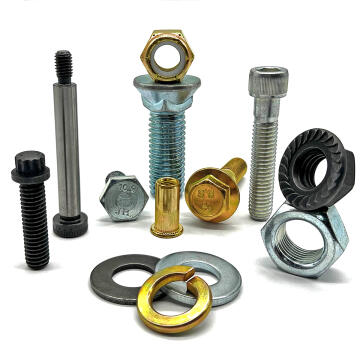
Use washers to distribute pressure evenly and protect softer materials. Avoid over-tightening small bolts in wood—it's easier to strip than you'd think. For metal assemblies, always follow manufacturer torque charts rather than guessing. A simple mark on the bolt after torquing gives you visual confirmation that the job is done.
Common Mistakes to Avoid
Never guess torque without a tool—precision matters. Over-tightening causes stripped threads and broken bolts; under-tightening leads to loose, unsafe assemblies. Don't skip lubrication requirements either; they're specified for a reason and affect the final torque value.
Get the Right Tools and Fasteners
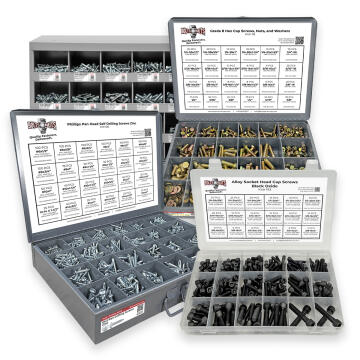
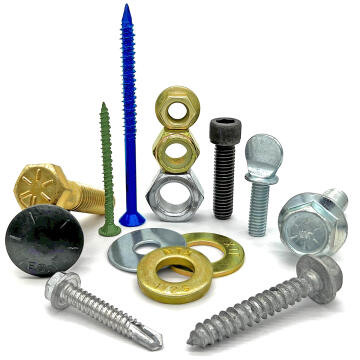
Stock your workshop with a quality torque wrench, bolts in the sizes and grades you use most, and washers for proper load distribution. Having the right tools on hand makes every project faster and more reliable.
Final Thoughts
Properly torquing bolts is the difference between assemblies that hold and ones that fail. Take the time to check specs, use the right tools, and understand your materials. Strong, safe, long-lasting projects start with the fundamentals—and torque is one of the most important.