B&N Pro Membership

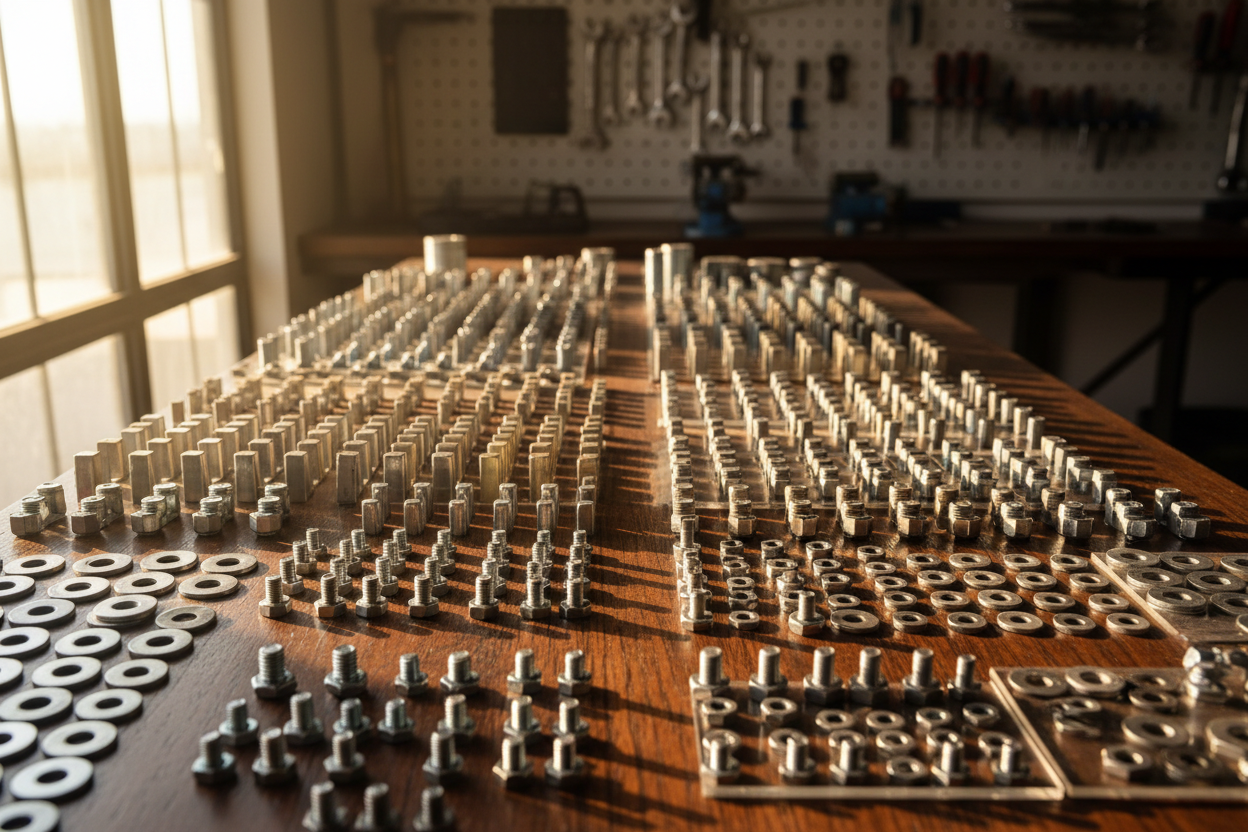
Nuts and bolts are some of the most commonly used fasteners in the world. From DIY projects and furniture assembly to workshops and industrial applications, they play a critical role in holding materials together securely.
But for beginners, understanding the different types, sizes, materials, and thread systems can feel overwhelming.
In this guide, we’ll explain the basics of nuts and bolts, how they work, and how to choose the right fasteners for your projects.
What Are Nuts and Bolts?
Bolts and nuts work together to create a secure mechanical connection.
- A bolt is a threaded fastener with a head
- A nut threads onto the bolt to hold materials together
Together, they create a removable and reliable fastening system.
Why Nuts and Bolts Matter
The correct fasteners help ensure:
- Strong connections
- Safe assemblies
- Long-lasting durability
- Reliable performance
Using the wrong fastener can lead to stripped threads, loosening, corrosion, or failure.
Common Types of Bolts
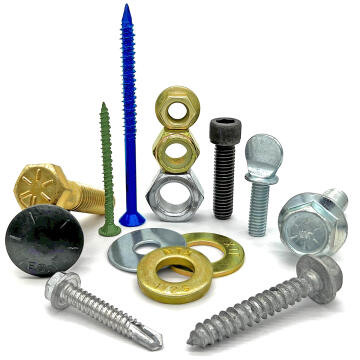
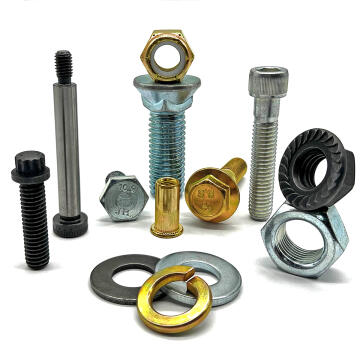
Some of the most common bolt types include:
Hex Bolts
General-purpose bolts with a hexagonal head.
Carriage Bolts
Rounded-head bolts commonly used in wood applications.
Lag Bolts
Heavy-duty fasteners designed for wood and structural support.
Machine Bolts
Used in machinery and precision assemblies.
Common Types of Nuts
Different nuts are designed for different purposes.
Hex Nuts
The most common nut type used with bolts.
Lock Nuts
Designed to resist loosening from vibration.
Wing Nuts
Allow hand tightening without tools.
Cap Nuts
Provide a finished appearance while protecting exposed threads.
Understanding Bolt Sizes
Fastener sizing usually includes:
- Diameter
- Length
- Thread type
- Thread pitch
Fasteners may use:
- SAE (imperial)
- Metric sizing systems
Understanding these differences helps avoid ordering mistakes.
Materials and Finishes
Nuts and bolts come in different materials depending on the application.
Stainless Steel
Excellent corrosion resistance.
Carbon Steel
Strong and affordable for general use.
Coated Fasteners
Designed for added corrosion protection.
Choosing the right material is important for long-term durability.
Coarse vs Fine Threads
Thread type affects performance and compatibility.
Coarse Threads
- Easier installation
- Better for softer materials
Fine Threads
- Higher clamping force
- Better for vibration resistance
Always match thread types correctly.
Common Beginner Mistakes
New fastener users often:
- Mix metric and SAE sizes
- Use incorrect thread pitch
- Ignore material compatibility
- Overtighten bolts
Understanding the basics helps prevent these issues.
How Modern Fastener Ordering Is Changing
Today, ordering fasteners is becoming faster and more organized.
Modern systems now use:
- QR reorder labels
- Faster repeat ordering
- Organized inventory workflows
Programs like B&N Pro help simplify repeat fastener purchasing while improving organization and workflow efficiency.
Final Thoughts
Nuts and bolts may seem simple, but understanding the basics of sizing, materials, threads, and applications makes a huge difference.
The more you understand fasteners, the easier it becomes to choose the right hardware, avoid mistakes, and keep projects running smoothly.