B&N Pro Membership

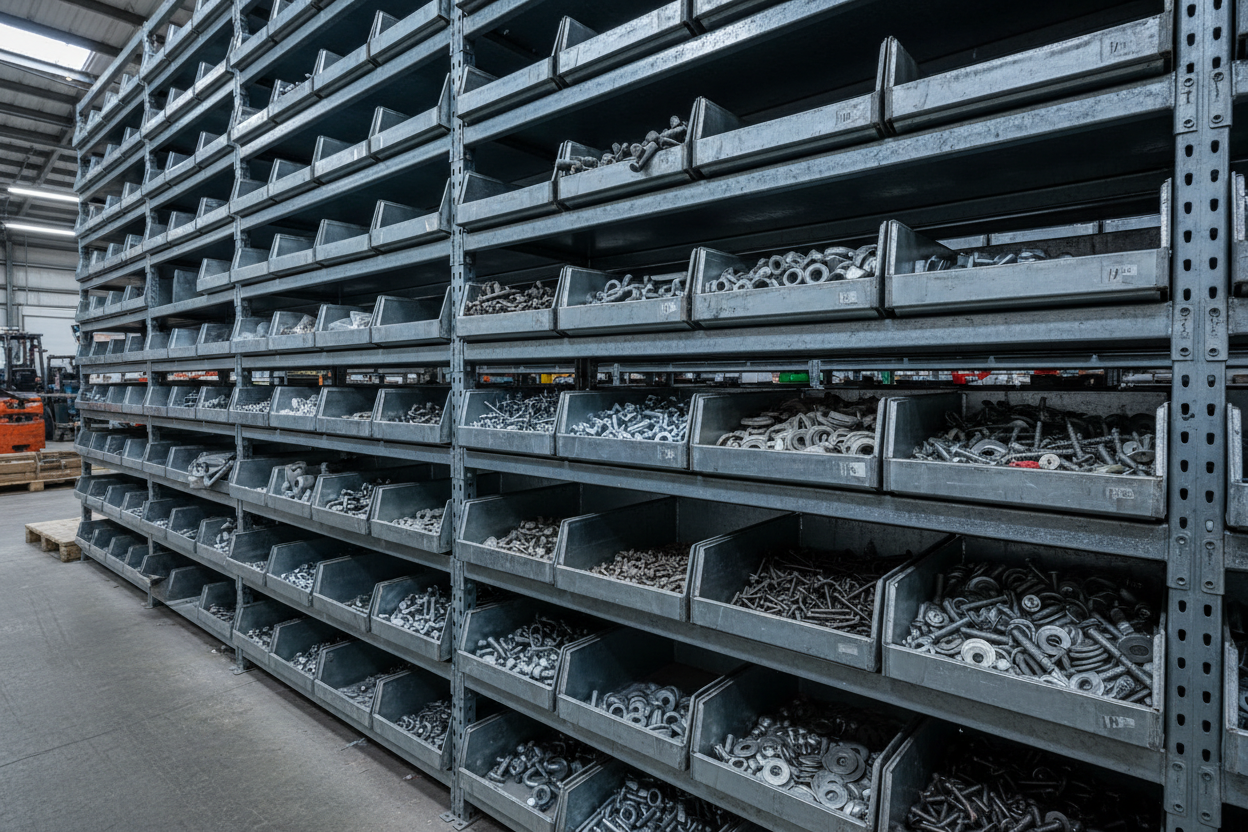
For many shops, warehouses, and repeat buyers, ordering fasteners is still more complicated than it needs to be.
Searching for part numbers, manually counting inventory, digging through bins, and repeatedly placing the same orders wastes valuable time and slows down workflow efficiency.
Traditional fastener ordering methods may work—but they often create unnecessary friction.
In this guide, we’ll break down the biggest problems with traditional fastener ordering and how modern reorder systems are simplifying the process.
Why Traditional Ordering Slows Everything Down
Most fastener ordering systems rely heavily on manual processes.
That usually means:
- Searching for the correct product repeatedly
- Writing down part numbers
- Manually checking inventory
- Reordering the same items over and over
As inventory grows, these inefficiencies become more noticeable.
1. Too Much Time Spent Searching
One of the biggest frustrations is simply locating the correct fastener.
Without organized systems:
- Bins get mixed together
- Labels become unclear
- Thread sizes are forgotten
- Duplicate products accumulate
Even small delays add up over time.
2. Manual Reordering Creates Errors
Traditional reordering often depends on:
- Memory
- Handwritten notes
- Manual SKU searches
- Repeated data entry
This increases the chances of:
- Ordering the wrong size
- Forgetting items
- Delayed restocking
3. Inventory Tracking Becomes Inconsistent
Many workshops and teams don’t realize how inconsistent their inventory system has become until they run out of critical parts.
Without structure:
- Overstocking happens
- Understocking happens
- Frequently used items disappear unexpectedly
Consistency becomes difficult to maintain.
4. Scaling Gets Harder
As projects, teams, or inventory grow, traditional systems become harder to manage.
What works for a small shelf of bolts often stops working when:
- Multiple people reorder inventory
- Storage expands
- Repeat purchasing increases
The system becomes reactive instead of organized.
The Shift Toward Smarter Reordering Systems
Modern fastener workflows are moving toward:
- QR reorder labels
- Scan-to-reorder systems
- Faster repeat ordering
- Simplified inventory organization
Instead of manually searching for products every time, users can reorder directly from labeled inventory locations.
How B&N Pro Simplifies Fastener Reordering
B&N Pro was designed to remove much of the friction from repeat fastener ordering.
The system includes:
- 10% off most items
- QR reorder labels with purchases
- Faster reordering workflows
- Optional tablet and Bluetooth scanner add-on
Instead of relying on complicated inventory methods, the process becomes:
👉 Scan → reorder → done
Why Simplicity Matters
The goal isn’t to make inventory management more complicated.
It’s to:
- Save time
- Reduce mistakes
- Simplify repeat ordering
- Improve workflow efficiency
The simpler the process, the easier it becomes to stay organized.
Final Thoughts
Traditional fastener ordering methods often create unnecessary delays, confusion, and inefficiencies.
Modern reorder systems built around QR labels, faster workflows, and organized purchasing are helping shops and repeat buyers save time while simplifying the entire process.
The future of fastener ordering is less manual—and far more efficient.