B&N Pro Membership

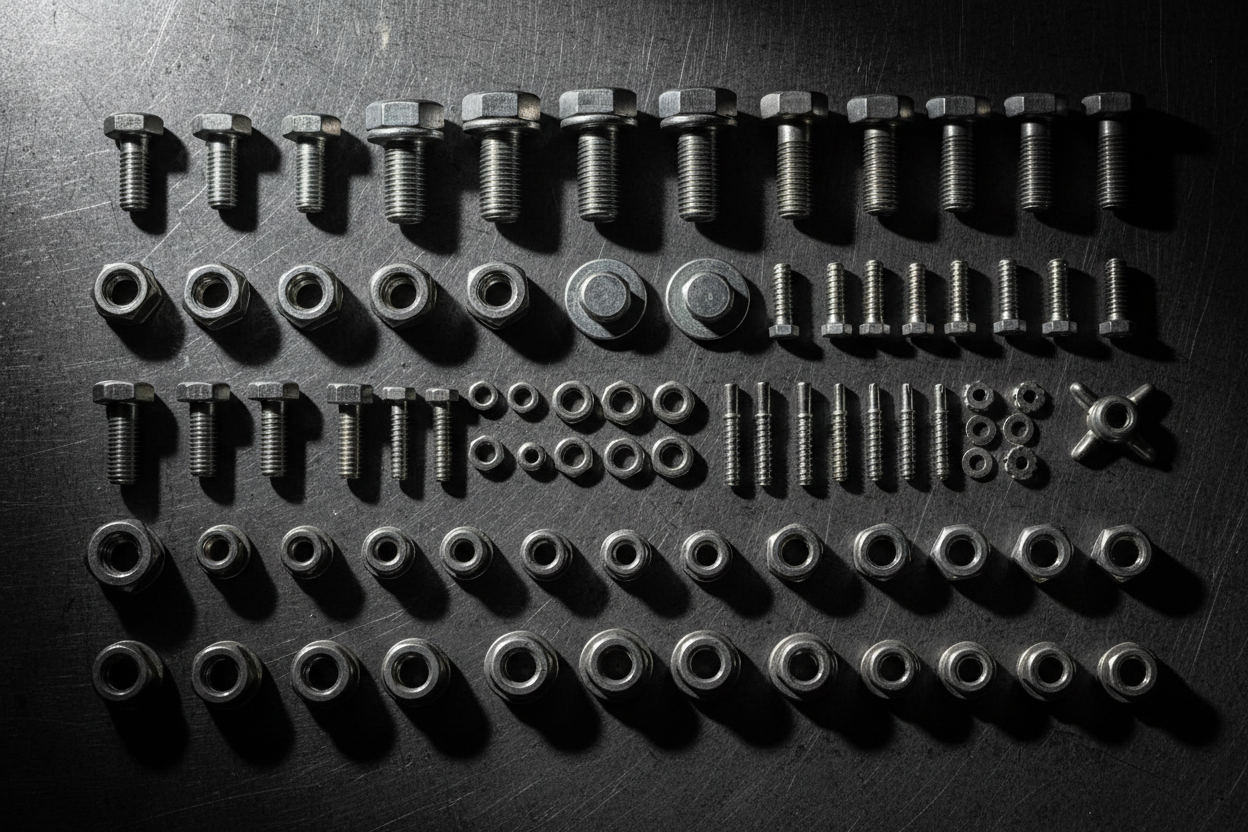
Choosing the right nuts and bolts can make the difference between a secure, long-lasting project and constant frustration.
With so many sizes, materials, thread types, and fastener options available, it’s easy to feel overwhelmed—especially for beginners or repeat buyers managing larger inventories.
In this guide, we’ll break down the key things to consider when selecting nuts and bolts for your projects.
Why Choosing the Right Fastener Matters
The correct fastener helps ensure:
- Strong and secure connections
- Proper fit and alignment
- Long-term durability
- Reduced wear and failure
Using the wrong fastener can lead to stripped threads, loosening, corrosion, or damaged materials.
1. Start With the Application
Different projects require different fasteners.
Ask yourself:
- Is this for wood, metal, or plastic?
- Will the fastener be exposed to moisture?
- Does the project involve vibration or heavy loads?
- Is appearance important?
The environment and use case determine the best fastener type.
2. Choose the Right Bolt Type
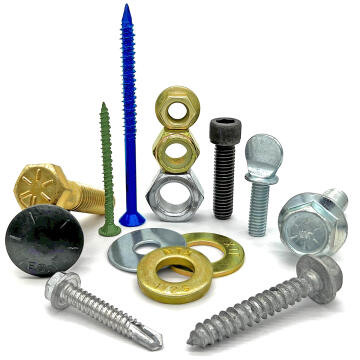
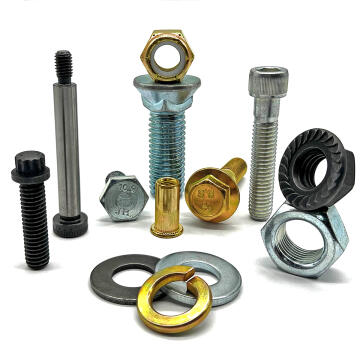
Common bolt types include:
Hex Bolts
General-purpose bolts commonly used in many applications.
Carriage Bolts
Rounded-head bolts ideal for wood projects and clean finishes.
Lag Bolts
Heavy-duty fasteners designed for wood applications.
Machine Bolts
Used for machinery and precision assemblies.
Each type is designed for a different purpose.
3. Select the Correct Nut Type
Different nuts provide different functionality.
Hex Nuts
The standard nut for most applications.
Lock Nuts
Designed to resist loosening from vibration.
Wing Nuts
Allow tool-free hand tightening.
Cap Nuts
Protect exposed threads while improving appearance.
Matching the correct nut to the bolt is important for performance and safety.
4. Understand Fastener Sizes
Proper sizing includes:
- Diameter
- Length
- Thread pitch
- SAE vs metric sizing
Using the wrong size can create weak or incompatible connections.
5. Choose the Right Material
Material selection affects durability and corrosion resistance.
Stainless Steel
Best for moisture and outdoor environments.
Carbon Steel
Strong and affordable for general indoor use.
Coated Fasteners
Provide additional corrosion protection.
Always match material to the environment.
6. Match Thread Types Correctly
Threads must match exactly.
Coarse Threads
- Easier installation
- Better for softer materials
Fine Threads
- Higher clamping force
- Better vibration resistance
Mixing thread types can damage both nuts and bolts.
7. Think About Long-Term Workflow
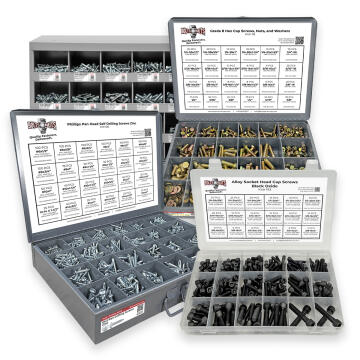
For repeat buyers and shops, organization matters just as much as product selection.
Modern systems now help simplify:
- Reordering
- Inventory organization
- Fastener tracking
- Workflow efficiency
Programs like B&N Pro help streamline repeat ordering with QR reorder labels and simplified purchasing workflows.
Common Mistakes to Avoid
Many people:
- Mix metric and SAE fasteners
- Choose incorrect thread pitch
- Ignore material compatibility
- Buy random sizes without organization
A little planning upfront prevents costly mistakes later.
Final Thoughts
Choosing the right nuts and bolts doesn’t have to be complicated.
By understanding bolt types, nut types, materials, sizing, and thread systems, you can make smarter decisions, improve project reliability, and simplify future ordering.