B&N Pro Membership

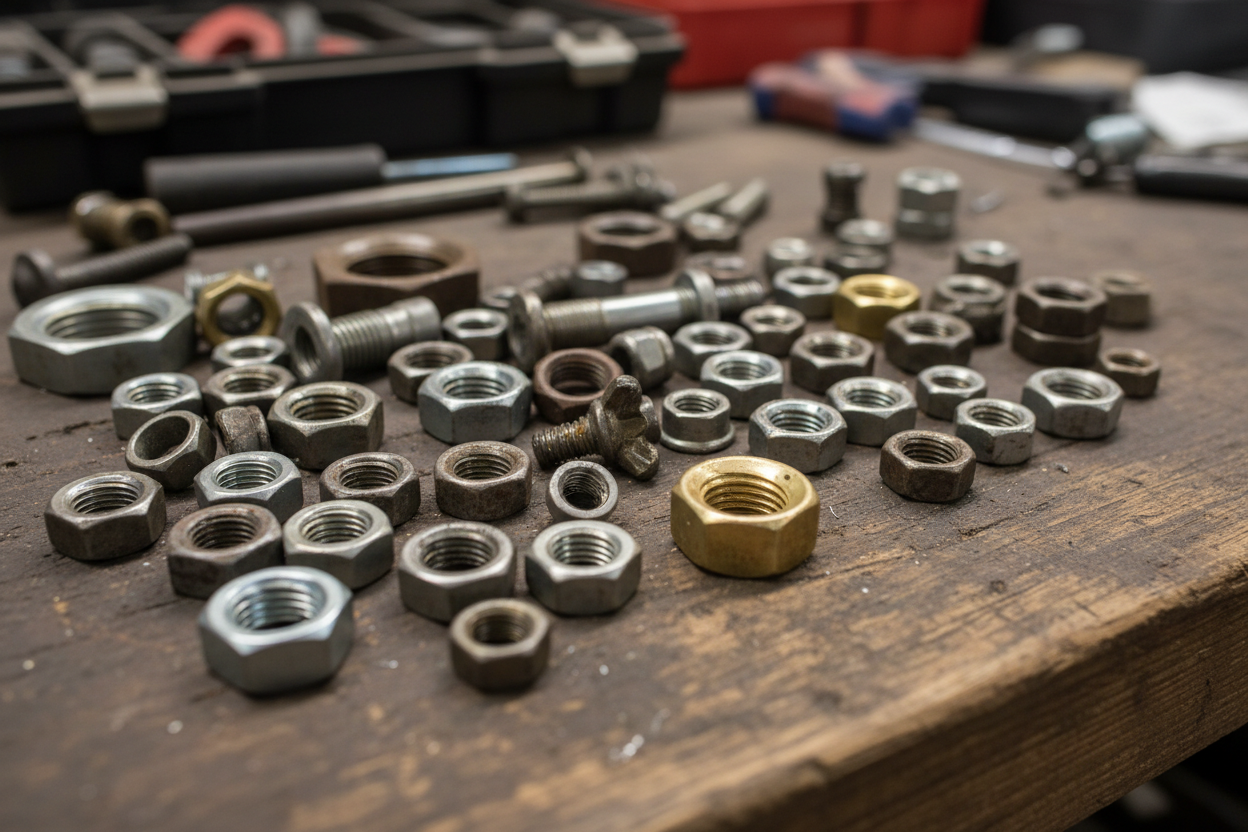
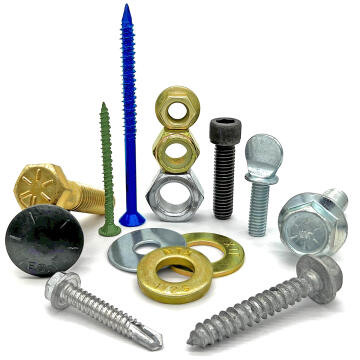
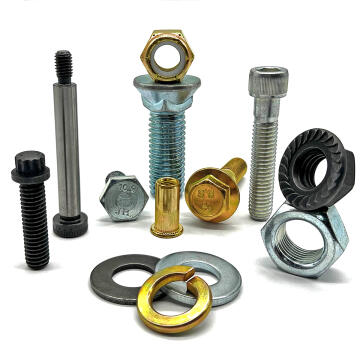
Nuts are one of the most important parts of any fastening system. While they may seem simple at first, different nut types are designed for different applications, environments, and performance needs.
Understanding the differences between nut types helps ensure stronger assemblies, better durability, and fewer fastening problems.
In this guide, we’ll break down the most common types of nuts and where they’re typically used.
What Does a Nut Do?
A nut works together with a bolt or threaded fastener to create a secure mechanical connection.
Nuts help:
- Hold materials together
- Maintain clamping force
- Resist loosening
- Improve overall assembly strength
Choosing the correct nut is just as important as choosing the correct bolt.
1. Hex Nuts
Hex nuts are the most common nut type.
Features:
- Six-sided shape
- Easy to tighten with standard tools
- Available in many sizes and materials
Common Uses:
- General-purpose fastening
- Machinery
- Automotive applications
- DIY projects
2. Lock Nuts
Lock nuts are designed to resist loosening caused by vibration or movement.
Features:
- Nylon insert or locking design
- Improved vibration resistance
- Helps maintain tight connections
Common Uses:
- Machinery
- Equipment
- Repeated movement applications
3. Wing Nuts
Wing nuts are designed for hand tightening without tools.
Features:
- Two “wings” for grip
- Quick installation and removal
- Tool-free adjustment
Common Uses:
- Temporary assemblies
- Adjustable fixtures
- DIY and hobby projects
4. Cap Nuts
Cap nuts feature a closed end that covers exposed threads.
Features:
- Improved appearance
- Protects threads from damage
- Reduces sharp exposed edges
Common Uses:
- Decorative applications
- Furniture
- Visible assemblies
5. Flange Nuts
Flange nuts include a built-in washer-like base.
Features:
- Distributes load evenly
- Reduces need for separate washers
- Improves stability
Common Uses:
- Automotive
- Machinery
- High-vibration applications
6. Coupling Nuts
Coupling nuts are longer nuts used to connect threaded rods or bolts together.
Features:
- Extended length
- Joins threaded components
- Strong threaded engagement
Common Uses:
- Rod extensions
- Structural assemblies
- Specialty hardware setups
Choosing the Right Nut
When selecting a nut, consider:
- Bolt compatibility
- Thread type
- Material
- Environment
- Vibration exposure
Using the wrong nut can lead to loosening, corrosion, or thread damage.
Understanding Materials and Finishes
Common nut materials include:
Stainless Steel
Excellent corrosion resistance.
Carbon Steel
Strong and affordable for general use.
Coated Finishes
Provide additional protection against corrosion and wear.
Matching materials between nuts and bolts helps improve long-term performance.
Common Mistakes to Avoid
Many people:
- Mix thread types
- Use incorrect nut sizes
- Ignore vibration resistance
- Combine incompatible materials
Proper matching prevents fastening problems later.
Why Organization Matters for Fasteners
As fastener inventories grow, keeping nuts and bolts organized becomes increasingly important.
Modern workflows now use:
- Organized inventory systems
- QR reorder labels
- Simplified reorder processes
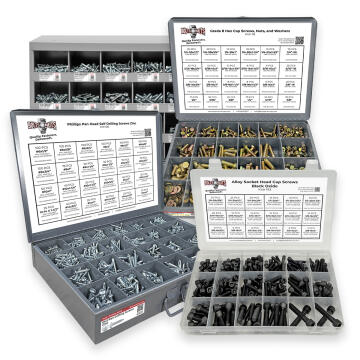
Programs like B&N Pro help streamline repeat ordering and improve fastener organization for shops and repeat buyers.
Final Thoughts
Different nut types are designed for different jobs. Understanding how each type works helps you create stronger, safer, and more reliable fastening systems.
The better you understand fasteners, the easier it becomes to choose the right hardware and simplify future ordering.