B&N Pro Membership

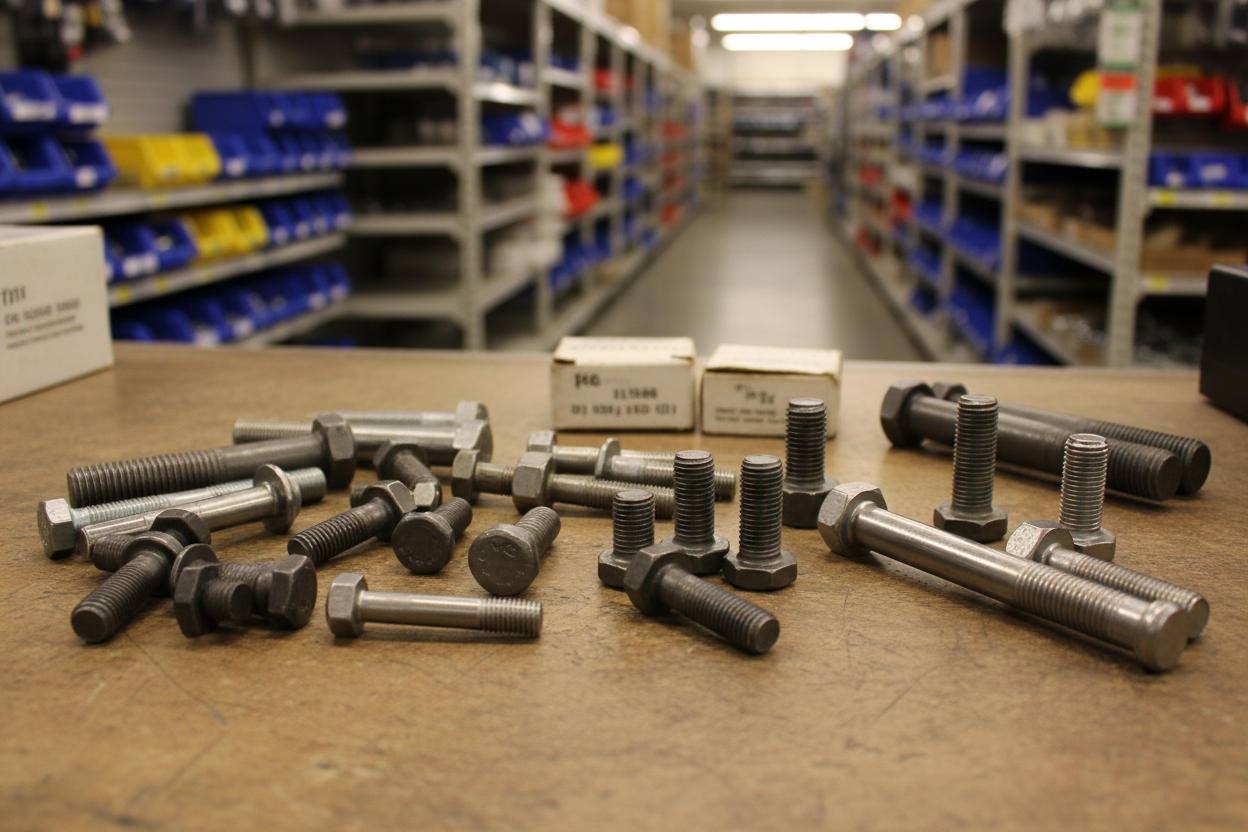
Buying bolts might seem straightforward, but small mistakes can lead to wasted money, poor performance, or even project failure. Whether you're working on a DIY project or managing repeat purchases, knowing what to avoid can save you time and frustration.
In this guide, we'll cover the most common mistakes people make when buying bolts—and how to avoid them.
1. Choosing the Wrong Size
One of the most common mistakes is selecting the wrong diameter or length. A bolt that's too small won't provide adequate clamping force, while one that's too long can interfere with assembly or create safety hazards.
Why it matters: Loose connections fail under load, improper fits waste money, and you'll end up reordering the correct size.
How to get it right: Measure twice before you buy. Use a bolt size chart to verify both diameter and length. When in doubt, bring a sample of what you need to match against.
2. Ignoring Thread Type
Threads come in different pitches and standards—coarse, fine, metric, and SAE. Mixing them up is a quick way to strip threads or create a connection that simply won't work.
Why it matters: Mismatched threads won't engage properly, risking stripped bolts and failed assemblies.
How to get it right: Identify whether you need coarse or fine threads. Match the thread pitch exactly to your application. Never mix metric and SAE standards on the same project.
3. Using the Wrong Material
Steel, stainless steel, and other materials each have different strengths and weaknesses. Your environment—whether it's indoors, outdoors, or exposed to moisture—should drive your material choice.
Why it matters: Wrong materials rust, corrode, or fail prematurely. You might also overpay for materials you don't need.
How to get it right: Use stainless steel for outdoor or moisture-heavy applications. Standard or galvanized steel works well for general indoor use. Always match material to environment.
4. Overlooking Bolt Grade
Bolt grades indicate strength and load capacity. A Grade 2 bolt and a Grade 8 bolt look similar but perform very differently under stress. Using the wrong grade can lead to failure.
Why it matters: Bolts can snap or slip under load, creating unsafe or unreliable assemblies.
How to get it right: Check the grade markings on the bolt head. Choose the correct strength for your specific application. Don't assume all bolts are created equal.
5. Skipping Washers and Accessories
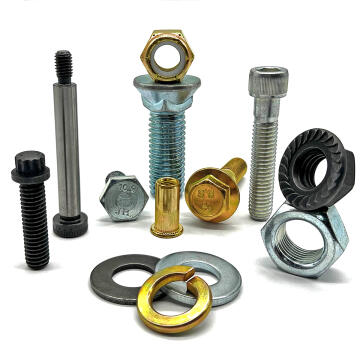
Washers aren't just extras—they're essential. Flat washers distribute load evenly, while lock washers prevent loosening from vibration. Skipping them is a false economy.
Why it matters: Without washers, loads concentrate unevenly, materials get damaged, and bolts loosen over time.
How to get it right: Use flat washers for load distribution. Add lock washers in vibration-prone applications. Match washer size to your bolt size.
6. Buying in Small Quantities Repeatedly
Ordering five bolts today and ten next week adds up—in cost and in time spent ordering. Bulk purchasing is almost always more efficient.
Why it matters: Per-unit costs are higher on small orders, and you spend more time managing multiple purchases.
How to get it right: Buy in bulk when you can. Standardize the sizes you use most often. Plan ahead and order what you'll need for the next few months.
7. Missing Out on Savings Opportunities
Many buyers don't take advantage of programs and pricing that can significantly reduce costs over time.
Why it matters: You're paying more than necessary and leaving long-term savings on the table.
How to get it right: Look for bulk pricing discounts. Explore loyalty programs that reward repeat customers. Streamline your ordering process to save time and money.
Get It Right From the Start
The best way to avoid costly mistakes is to slow down and verify before you buy. Double-check size, thread type, and material. Confirm the grade is appropriate for your load. Include washers and accessories in your order. Plan purchases ahead rather than buying reactively.
A few extra minutes of planning prevents wasted money, failed projects, and frustration down the road.
Final Thoughts
Smart bolt buying comes down to attention to detail and understanding what your project actually needs. By getting the basics right—sizing, materials, threads, and grade—you'll ensure your assemblies are secure, reliable, and built to last. When you know what to look for, buying bolts becomes simple and cost-effective.