B&N Pro Membership

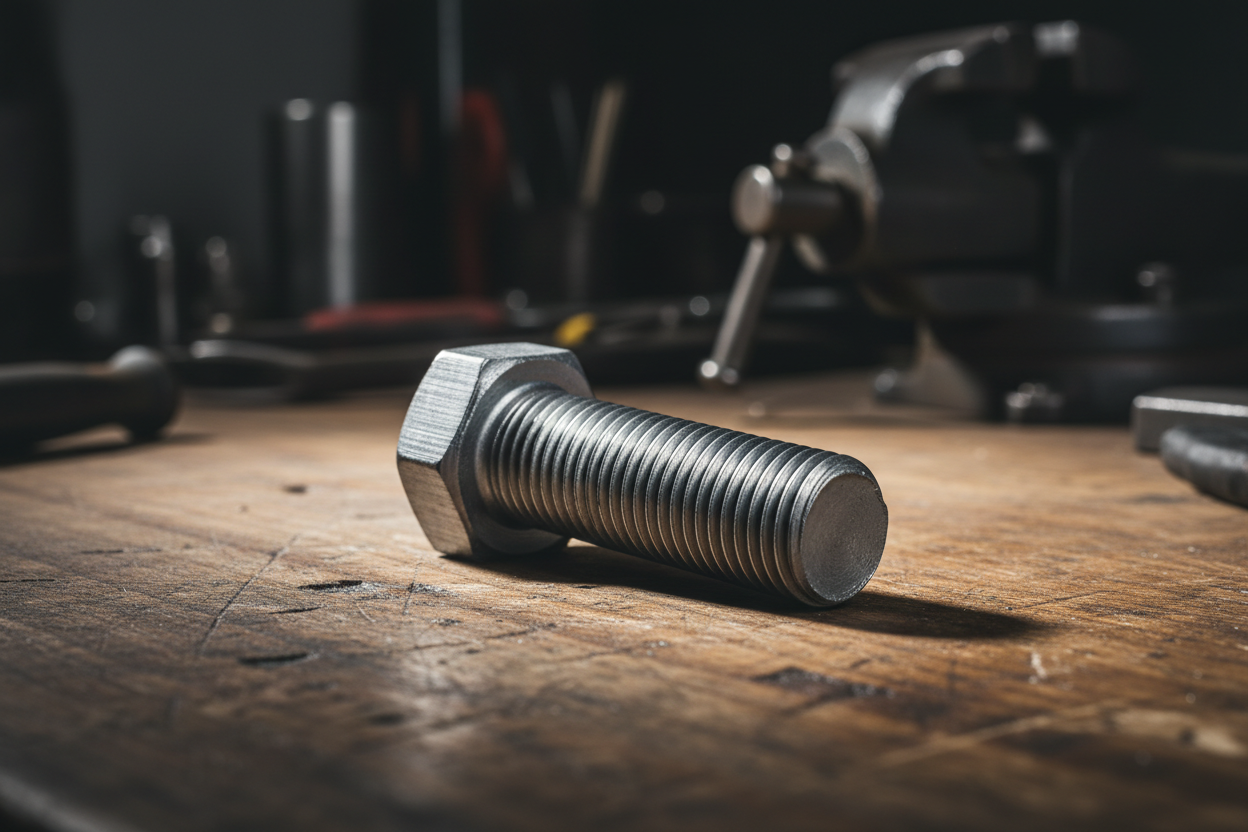
Get the fastener specs right from the start. Knowing bolt sizes is non-negotiable for any DIY, hobby, or small machinery project. The wrong size leads to stripped threads, loose assemblies, and failed connections. The right size ensures secure fastening, reliable performance, and a build that lasts.
This quick-reference guide covers common bolt sizes, diameters, lengths, and thread types in both imperial and metric standards. Bookmark it, print it, or keep it handy on your phone—you'll reach for it every time you need to verify a fastener specification.
Imperial Bolt Sizes (SAE Standard)
Imperial bolts dominate North American applications, from woodworking and automotive to machinery and structural work. Use this chart to identify the right diameter and thread count for your project:
| Bolt Diameter | Thread Count (TPI) | Common Applications |
|---|---|---|
| 1/4" | 20 | Small metal or wood projects, light assemblies |
| 5/16" | 18 | Medium-duty fastening, general repairs |
| 3/8" | 16 | General-purpose, most common size |
| 1/2" | 13 | Heavy-duty or mechanical applications |
| 5/8" | 11 | Structural work, machinery, high-load fastening |
Metric Bolt Sizes (ISO Standard)
Metric bolts are the standard in international manufacturing, precision engineering, and machinery. If your project uses metric specifications, this table covers the sizes you'll encounter most often:
| Metric Size | Thread Pitch (mm) | Common Applications |
|---|---|---|
| M4 | 0.7 | Electronics, light projects, precision work |
| M6 | 1.0 | Small assemblies, DIY builds, general fastening |
| M8 | 1.25 | General-purpose, versatile across industries |
| M10 | 1.5 | Medium-duty applications, machinery |
| M12 | 1.75 | Heavy-duty fastening, structural applications |
How to Select the Right Bolt Size
- Match the Diameter – Your bolt must fit the hole snugly without forcing or leaving gaps. Too loose and it won't hold; too tight and you'll strip the threads.
- Verify the Length – The bolt should penetrate the material adequately and leave enough thread for the nut or fastener to seat properly. A bolt that's too short won't hold; too long wastes material and creates safety hazards.
- Choose the Right Thread Type – Coarse threads grip wood effectively and are faster to install. Fine threads work better for metal and precision assemblies where vibration resistance matters.
- Confirm the Grade – Bolt grade determines strength and load capacity. Grade 2 works for light duty; Grade 5 for medium duty; Grade 8 for heavy-duty and high-stress applications.
- Consider the Material – Steel offers strength and value. Stainless steel resists corrosion in wet or outdoor environments. Brass provides non-magnetic properties for specialized applications.
Using This Chart on the Job
- Reference it whenever you're shopping for replacement bolts or planning a new project
- Cross-check against your project blueprints, manufacturer specs, or engineering drawings
- Combine size selection with material and grade to ensure the fastener meets your load and environmental requirements
- Keep this guide accessible—on your phone, printed in your workshop, or bookmarked for quick lookups
Find Your Fasteners at Bolts and Nuts
Once you've identified the size and specifications you need, browse our full inventory of quality bolts organized by diameter, length, thread type, material, and grade. Whether you're tackling a quick repair or engineering a complex assembly, we stock the industrial-grade fasteners to get it right the first time.
The Bottom Line
A bolt size chart is an essential tool for any builder, engineer, or DIY enthusiast. It eliminates guesswork, prevents costly mistakes, and ensures your assemblies are secure and reliable. Always verify size, material, and grade against your project requirements. When you need precision fasteners backed by quality and expertise, we've got you covered.