B&N Pro Membership

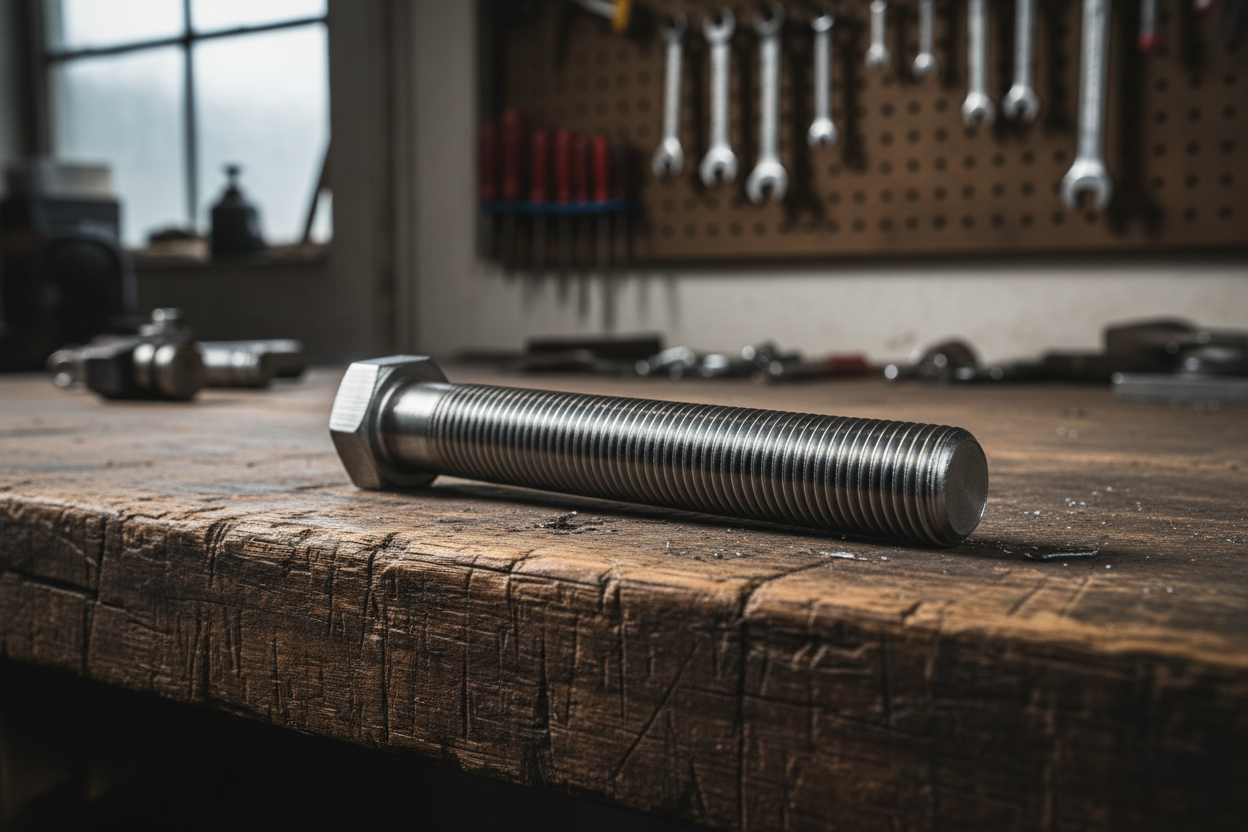
Sometimes you don't have a caliper or ruler on hand, but you need to know the size of a bolt. Being able to identify bolt size quickly can save time and prevent costly mistakes when sourcing replacements or tackling a project.
In this guide, we'll walk you through practical methods to identify bolt size using simple techniques and items you likely already have.
Step 1: Visual Inspection
Start by examining the bolt closely:
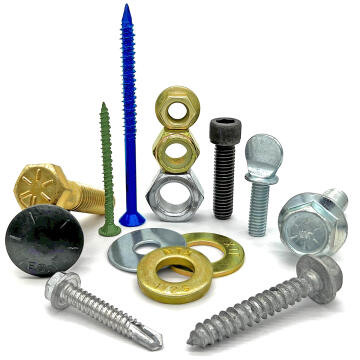
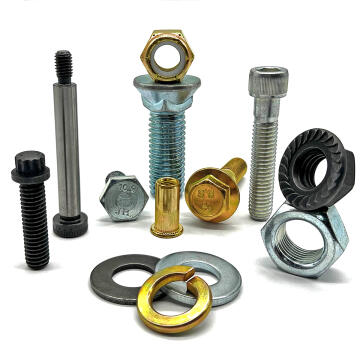
- Look at the head type: hex, carriage, socket, or other variants
- Note the thread pattern: coarse or fine threads
- Assess the length relative to bolts you've used before
Step 2: Compare With Reference Bolts
If you have bolts from previous projects or a hardware kit on hand, use them as a baseline:
- Place your unknown bolt next to a known size
- Compare diameter, thread pitch, and overall length
- Note any obvious differences in head shape or finish
Step 3: Use Everyday Items for Rough Measurement
Several household items can help you estimate dimensions:
- Coins: Stack pennies, dimes, or quarters to estimate diameter in fractions of an inch
- Paper or cardstock: Fold to create reference marks for length estimation
- Wrench sockets or screwdrivers: Test-fit the bolt head into sockets to narrow down size
Step 4: Count Threads for Pitch Estimation
Thread pitch—the distance between threads—is critical for proper fit:
- For imperial bolts, count threads across a 1-inch span
- For metric bolts, estimate the gap between adjacent threads
- Compare your count to standard pitch references (coarse vs. fine)
Step 5: Verify Against Standard Specifications
Cross-check your observations with known bolt standards:
- Reference common sizes from packaging or online product listings
- Match your visual assessment to standard diameter and length combinations
- Confirm material grade if visible (markings on the head)
Common Pitfalls to Avoid
- Never guess on critical applications where bolt failure poses a safety risk
- Don't mix coarse and fine thread pitches—they won't interchange
- Avoid assuming all bolts of similar diameter have the same thread pitch
- Don't overlook material grade, which affects strength and corrosion resistance
When to Verify Your Estimate
These estimation methods work well for quick identification, but precision matters. Before ordering or installing:
- Use a caliper or ruler to confirm diameter and length
- Test-fit the bolt into the application if possible
- Check thread compatibility with the mating hole or nut
Finding the Right Bolt
Once you've identified the size, sourcing the correct replacement is straightforward. Look for bolts that match your specifications in diameter, length, thread pitch, material, and grade. Having an accurate size estimate saves time and reduces the risk of ordering incorrect fasteners.
Final Thoughts
Identifying bolt size without precision tools is entirely feasible with careful observation and a methodical approach. These techniques work best as a starting point—always verify measurements before making a purchase or completing critical work. When in doubt, reach out to a fastener specialist who can help confirm the exact specifications you need.