B&N Pro Membership

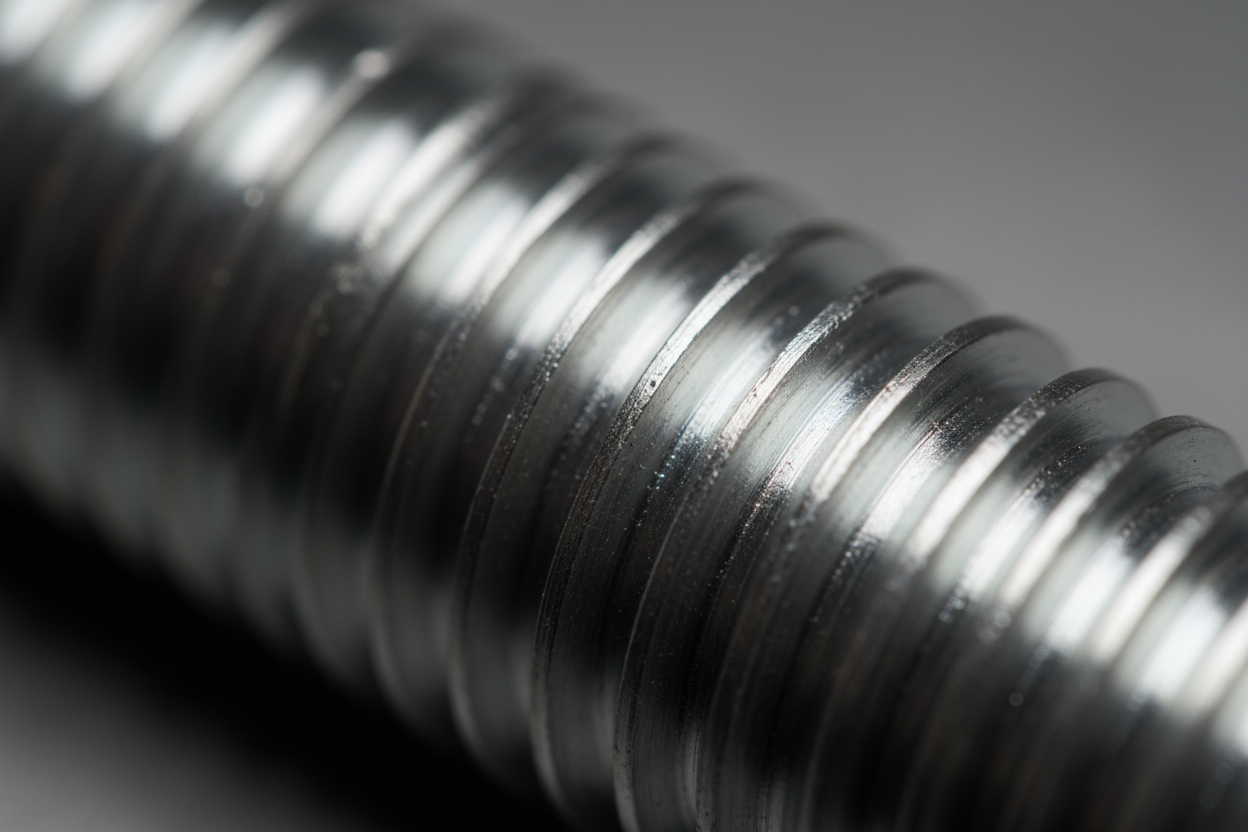
Thread pitch is a fundamental characteristic of bolts and fasteners that directly impacts fit, performance, and assembly reliability. Whether you're managing inventory for industrial applications, handling maintenance projects, or specifying fasteners for critical assemblies, getting thread pitch right prevents costly failures and ensures secure, durable connections.
This guide breaks down what thread pitch is, how to identify it, and why precision matters in fastener selection.
Understanding Thread Pitch
Thread pitch is the distance between adjacent threads on a bolt or screw. It's one of the most important specifications you'll encounter when selecting fasteners.
- For SAE and imperial fasteners, pitch is measured in TPI (Threads Per Inch)
- For metric fasteners, pitch is expressed in millimeters
- Pitch directly affects how tightly a bolt seats and how much load it can safely carry
Coarse vs. Fine Threads: When to Use Each
Coarse threads feature wider spacing between threads and are the standard choice for most applications. They install faster, work well in softer materials like aluminum and wood, and are more forgiving during assembly—less prone to cross-threading. Use coarse threads when speed and ease of installation matter.
Fine threads have tighter spacing and deliver higher clamping force in the same bolt diameter. They're ideal for precision assemblies, hard metals, and applications requiring maximum load capacity. Fine threads also resist vibration-induced loosening better than coarse threads, making them valuable in demanding industrial environments.
How to Identify Thread Pitch
- Thread gauge – The fastest and most accurate method. Simply match your bolt against the gauge until it seats properly.
- Manual counting – Count the number of threads over 1 inch (SAE) or 1 centimeter (metric), then calculate pitch.
- Reference comparison – Use a bolt of known pitch as a visual and tactile reference.
Why Thread Pitch Matters in Practice
Selecting the correct thread pitch ensures proper engagement with nuts and tapped holes, distributes loads evenly across the fastened joint, and prevents thread stripping or premature loosening. Mismatched pitch creates gaps, reduces clamping force, and can lead to assembly failure under stress or vibration.
In multi-location operations and B2B fulfillment, accurate pitch specification also reduces returns and customer support overhead by ensuring first-time compatibility.
Choosing the Right Fastener
When sourcing bolts for your projects or inventory, consider thread pitch alongside material grade, diameter, and length. Coarse threads suit general-purpose fastening and faster assembly lines. Fine threads deliver superior performance in precision machinery, structural applications, and environments where vibration or thermal cycling is a concern.
Match your fastener pitch to the application requirements, and you'll build stronger, more reliable assemblies that last.