B&N Pro Membership

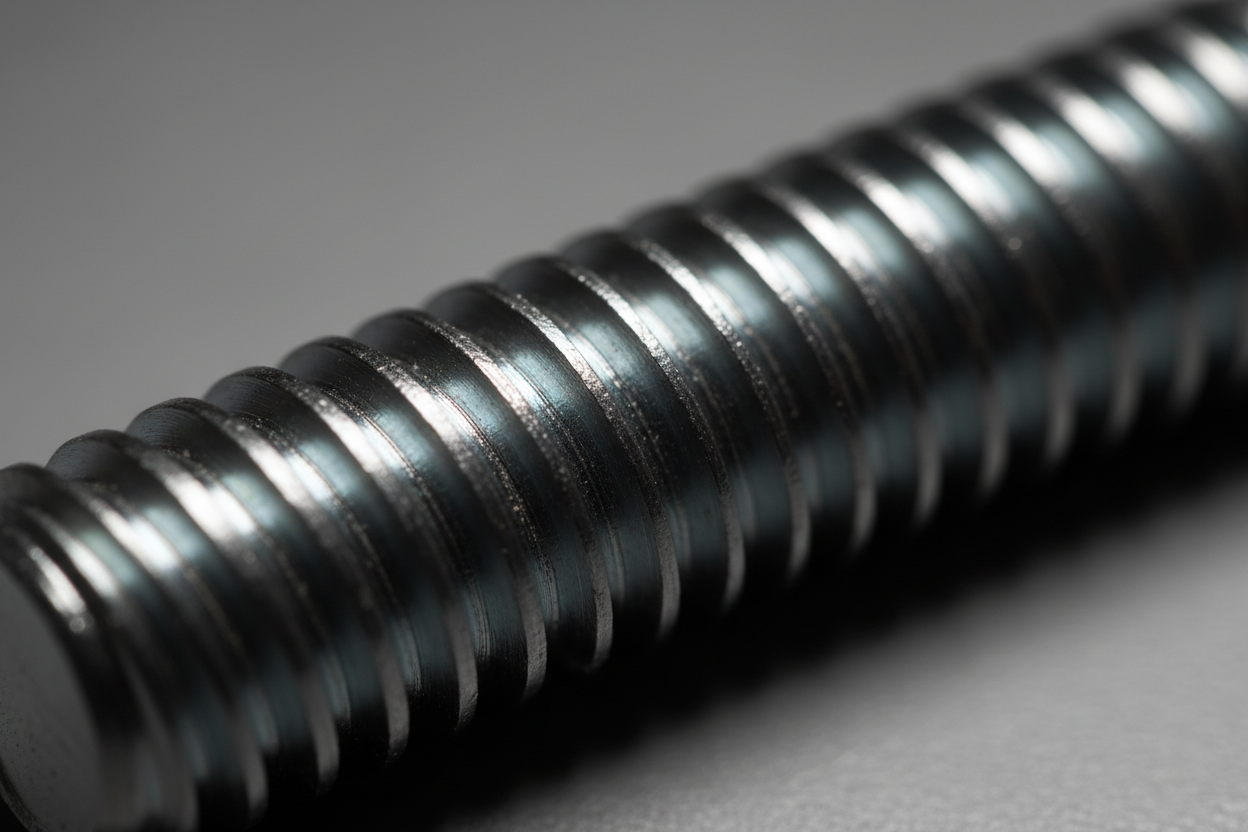
If you're working with bolts or fasteners, understanding thread pitch is essential. It's one of the key factors that determines whether a bolt will fit properly and perform as expected.
In this guide, we'll break down what thread pitch is, how to measure it, and why it matters when choosing the right fastener for your application.
What Is Thread Pitch?
Thread pitch refers to the distance between threads on a bolt or screw. It's a critical specification that affects how a fastener engages with its mating hole.
- Metric fasteners measure thread pitch in millimeters between threads
- SAE (imperial) fasteners measure it in threads per inch (TPI)
Thread pitch directly affects how tightly a fastener holds and how it performs under stress and load.
Why Thread Pitch Matters
Using the wrong thread pitch can create serious problems in your assembly:
- Improper fit between bolt and hole
- Stripped or damaged threads
- Weak or unreliable connections
- Premature fastener failure
Matching the correct thread pitch ensures a secure, reliable connection that performs as intended.
Metric vs SAE Thread Pitch
Metric Thread Pitch
- Measured as the distance between threads (e.g., 1.25mm)
- Example: M8-1.25 (8mm diameter, 1.25mm pitch)
SAE Thread Pitch
- Measured in threads per inch (TPI)
- Example: 1/4"-20 (1/4 inch diameter, 20 threads per inch)
Understanding the difference is critical when working across different measurement systems.
Coarse vs Fine Threads
Thread pitch also determines whether a thread is classified as coarse or fine. Each has distinct advantages depending on your application.
Coarse Threads (UNC)
- Fewer threads per inch
- Faster installation and removal
- Better for softer materials like aluminum or plastic
- More forgiving with minor misalignment
Fine Threads (UNF)
- More threads per inch
- Stronger clamping force and holding power
- Superior vibration resistance
- Better for precision applications and hard materials
How to Measure Thread Pitch
Accurate measurement is essential for selecting the right fastener. Here are the most reliable methods:
1. Use a Thread Pitch Gauge
- Most accurate and reliable method
- Simply match your bolt or hole to the labeled gauge
- Works for both metric and SAE fasteners
2. Count Threads (SAE)
- Count the number of threads in exactly one inch
- Useful when a gauge isn't available
3. Measure Distance (Metric)
- Measure the distance between thread peaks in millimeters
- Requires a precision ruler or caliper
Common Thread Pitch Examples
| Bolt Size | Coarse Thread | Fine Thread |
|---|---|---|
| 1/4" | 20 TPI | 28 TPI |
| 3/8" | 16 TPI | 24 TPI |
| M8 | 1.25mm | 1.0mm |
Common Mistakes to Avoid
- Mixing metric and SAE thread types in the same assembly
- Guessing thread pitch without proper measurement
- Forcing mismatched threads together (causes damage)
- Overlooking the difference between coarse and fine threads
- Assuming all bolts of the same diameter have the same pitch
Choosing the Right Thread Pitch
When selecting thread pitch for your project, consider these factors:
- Material: Soft materials like aluminum work better with coarse threads; hard materials benefit from fine threads
- Load and stress: Higher loads often require fine threads for greater clamping force
- Vibration levels: Fine threads resist vibration-induced loosening better than coarse
- Application type: Precision assemblies typically use fine threads; general construction uses coarse
Choosing the correct pitch improves performance, prevents damage, and extends the life of your assembly.
Final Thoughts
Thread pitch may seem like a small detail, but it plays a major role in how a fastener performs. Understanding how it works—and how to measure it accurately—can save time, prevent costly mistakes, and ensure your connections stay secure and reliable for years to come.