B&N Pro Membership

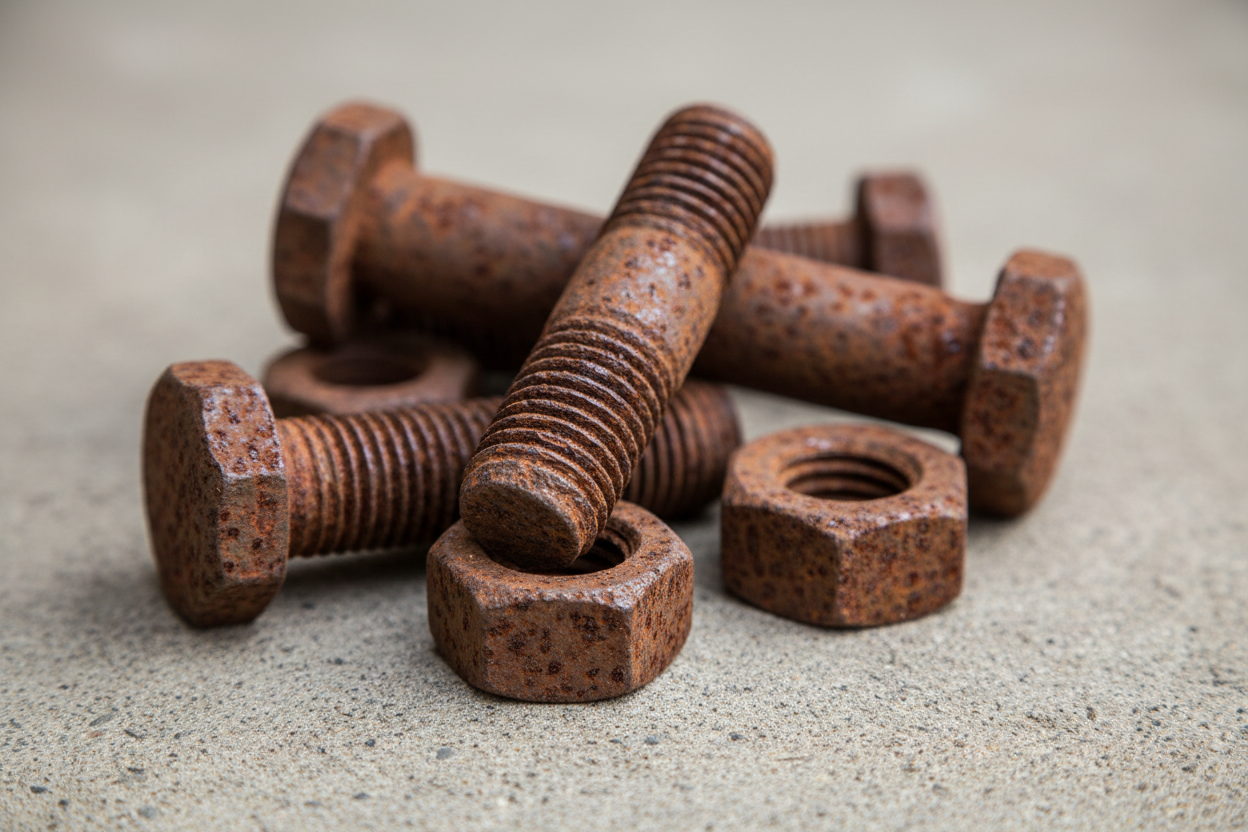
Rust and corrosion are among the leading causes of fastener failure in the field. When bolts are exposed to moisture, salt spray, humidity, or harsh industrial environments, they can weaken, seize up, or snap—resulting in unplanned downtime, safety risks, and expensive replacements.
The encouraging reality: rust is entirely preventable with the right approach. This guide covers practical, proven strategies to protect your bolts and maximize their service life.
Understanding Why Bolts Corrode
Corrosion occurs when bare metal oxidizes in the presence of moisture and oxygen. The progression typically looks like this:
- Initial surface oxidation appears as discoloration
- Structural integrity gradually weakens as corrosion penetrates
- Fasteners become difficult or impossible to remove without damage
- Complete failure occurs if left unchecked
Knowing the mechanism helps you select the right prevention strategy for your application.
Material Selection: Your First Defense
The fastener material you choose sets the foundation for corrosion resistance.
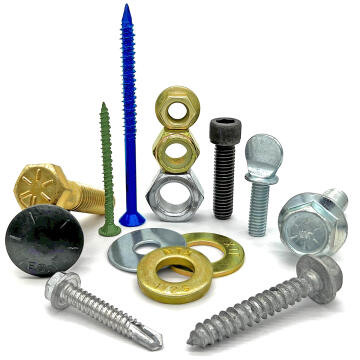
- Stainless steel — Superior corrosion resistance; ideal for marine, chemical, and outdoor environments
- Galvanized steel — Zinc coating provides reliable protection for general outdoor and industrial use
- Carbon steel — High strength but requires additional protection in corrosive settings
Match your material to the environment. A stainless bolt in a dry warehouse is overkill; carbon steel in coastal salt spray is a recipe for failure.
Protective Coatings and Finishes
Beyond base material, surface treatments add another layer of defense.
- Zinc plating — Economical, moderate protection for indoor and mild outdoor use
- Hot-dip galvanizing — Thicker, more durable coating for heavy-duty outdoor applications
- Powder coating — Aesthetic and functional; excellent for architectural and visible fastening
These coatings create a physical barrier that keeps moisture away from the base metal. Inspect coated fasteners before installation to ensure the finish is intact.
Anti-Seize Compounds and Lubricants
For bolts in high-moisture or high-temperature environments, anti-seize compounds are invaluable.
- Apply to threads before installation to prevent galling and seizing
- Use rust-preventive oils on exposed fastener heads
- Reapply periodically in outdoor or marine settings
This approach is especially effective for critical fasteners that may need removal or adjustment later.
Washers: More Than Load Distribution
Properly selected washers reduce corrosion risk in several ways:
- Create a seal that limits moisture penetration at the fastener head
- Distribute load more evenly, reducing stress points where corrosion accelerates
- Protect underlying material surfaces from direct exposure
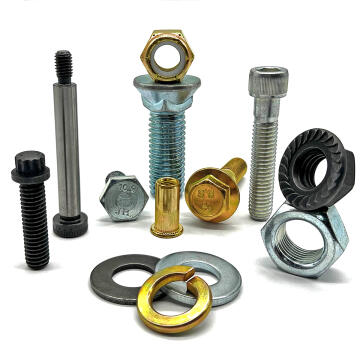
Stainless or coated washers paired with matching fasteners provide consistent protection.
Avoid Galvanic Corrosion
When dissimilar metals contact each other in the presence of moisture, galvanic corrosion accelerates dramatically. This electrochemical reaction can destroy fasteners far faster than standard oxidation.
- Use fasteners and washers of the same material family when possible
- Never pair stainless bolts with carbon steel washers in wet environments
- If mixed metals are unavoidable, isolate them with non-conductive washers or coatings
Material consistency is one of the easiest and most effective corrosion controls.
Storage and Inventory Management
Corrosion doesn't wait for installation. Fasteners stored improperly can degrade before they're ever used.
- Store in climate-controlled, dry environments whenever possible
- Use sealed containers or desiccant packs to control humidity
- Keep fasteners off concrete floors, which retain moisture
- Rotate stock regularly to use older inventory first
Proper storage extends shelf life and ensures fasteners arrive at the job site in pristine condition.
Inspection and Preventive Maintenance
Regular inspections catch corrosion early, before it becomes a structural problem.
- Schedule visual checks on outdoor or exposed fastening points
- Replace corroded fasteners immediately—don't wait for failure
- Re-torque fasteners seasonally in high-vibration or temperature-cycling applications
- Document inspection results to identify patterns or problem areas
Preventive replacement is far cheaper than emergency repairs or safety incidents.
Sourcing the Right Fasteners for Your Application
Upfront planning prevents costly mistakes. Before ordering, consider:
- Environmental exposure (indoor, outdoor, marine, chemical)
- Temperature range and thermal cycling
- Required strength grade and torque specifications
- Budget for premium materials versus replacement frequency
Investing in the correct fastener from the start eliminates guesswork and reduces total cost of ownership.
Standardizing Your Fastener Inventory
Consistency across projects reduces corrosion-related failures. When you standardize on specific materials and finishes:
- Your team uses the same fasteners for similar applications, reducing mix-ups
- You avoid accidentally pairing incompatible materials
- Bulk purchasing of proven materials improves cost efficiency
- Maintenance and replacement become predictable and manageable
A documented fastener standard for your organization is a simple but powerful tool.
Custom Kitting for Corrosion Control
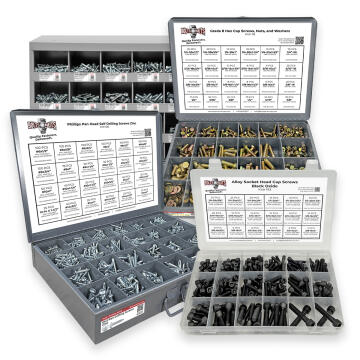
Pre-assembled kits eliminate the risk of selecting wrong fasteners for specific environments. When fasteners are kitted for particular applications:
- The correct material and finish are already selected for that environment
- Incompatible metals are never mixed in the same assembly
- Installation teams receive exactly what they need—no substitutions
- Quality and consistency improve across all projects
Custom kitting removes decision-making from the field and ensures best practices are followed every time.
The Bottom Line
Rust prevention is a system, not a single step. It begins with material selection, continues through protective coatings and proper storage, and extends into regular inspection and maintenance. By combining the right fastener choice with consistent practices and preventive care, you can dramatically extend bolt life and avoid the failures that disrupt operations and compromise safety.
Plan ahead, choose wisely, and maintain consistently. Your fasteners—and your budget—will thank you.