B&N Pro Membership

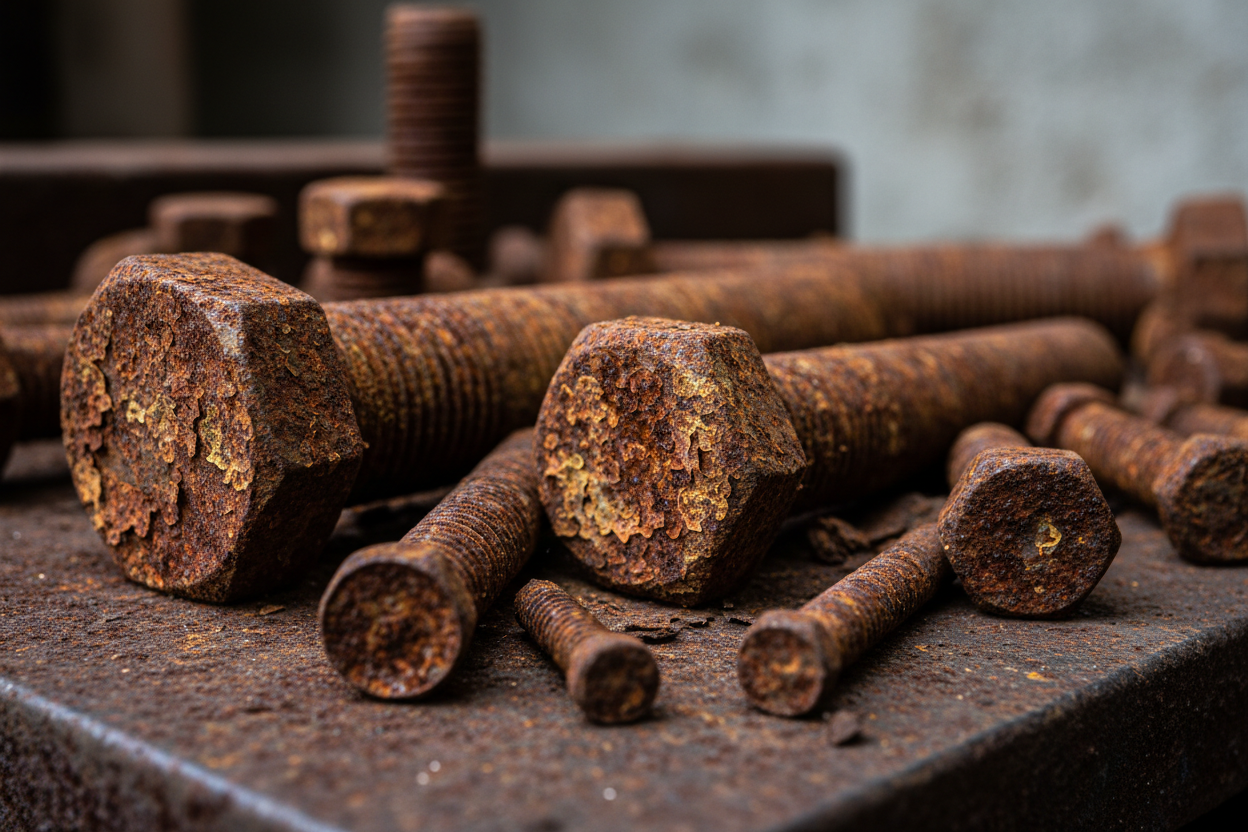
Rust can compromise the strength and durability of bolts and fasteners, especially in outdoor or high-moisture environments. Taking preventative steps can save time, money, and safety risks.
In this guide, we'll cover practical methods to prevent rust and extend the life of your fasteners.
Why Bolts Rust
Rust occurs when steel or iron reacts with moisture and oxygen. Several factors accelerate this process:
- High humidity or rain exposure
- Salt or coastal environments
- Contact with dissimilar metals (galvanic corrosion)
Using the wrong material or neglecting protection leads to corrosion and weakened connections that compromise structural integrity.
Proven Methods to Prevent Rust
1. Choose Rust-Resistant Materials
Material selection is your first line of defense. Consider these options:
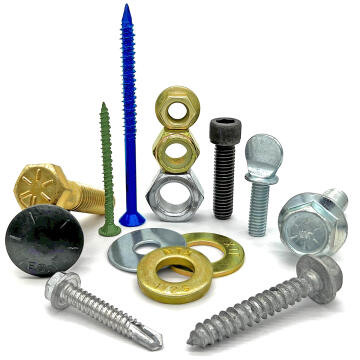
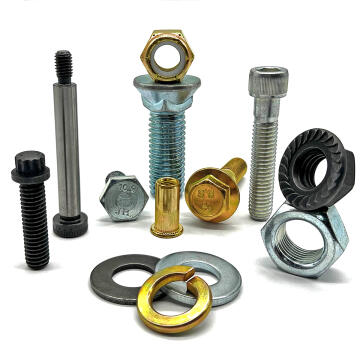
- Stainless steel — Offers excellent corrosion resistance and works well in harsh environments
- Galvanized steel — Features a protective zinc coating that shields the underlying metal
- Coated or alloy steel — Combines durability with built-in corrosion protection
2. Apply Protective Coatings and Lubricants
Adding a protective layer prevents moisture from reaching vulnerable surfaces. Anti-seize compounds and rust-inhibiting sprays create a barrier that extends fastener life, especially in threaded areas where corrosion often starts.
3. Avoid Mixing Incompatible Metals
When different metals contact each other in the presence of moisture, galvanic corrosion accelerates. Match your fasteners to the surrounding materials to prevent this electrochemical reaction.
4. Maintain Regular Inspections
Catch problems early with periodic checks. Look for surface rust, discoloration, or pitting. A wire brush removes light surface rust before it spreads, and prompt replacement of damaged fasteners prevents failure.
5. Install Fasteners Correctly
Proper installation protects your investment. Avoid over-tightening, which can crack protective coatings and create stress points. Clean threads before assembly to remove contaminants that trap moisture.
Common Mistakes to Avoid
- Selecting plain steel for outdoor or humid applications
- Overlooking environmental conditions during material selection
- Neglecting routine inspections and maintenance
- Over-tightening fasteners, which damages coatings and weakens threads
Choose the Right Fasteners for Your Project
The fastener material you select directly impacts longevity and performance. Stainless steel, galvanized steel, and coated bolts each serve different applications and environments. Matching the right fastener to your project conditions ensures your connections stay strong and reliable.
Keep Your Hardware Strong
Rust prevention doesn't require complicated processes. By selecting corrosion-resistant materials, applying protective coatings when needed, and staying on top of maintenance, you'll keep your fasteners performing at their best for years to come.