B&N Pro Membership

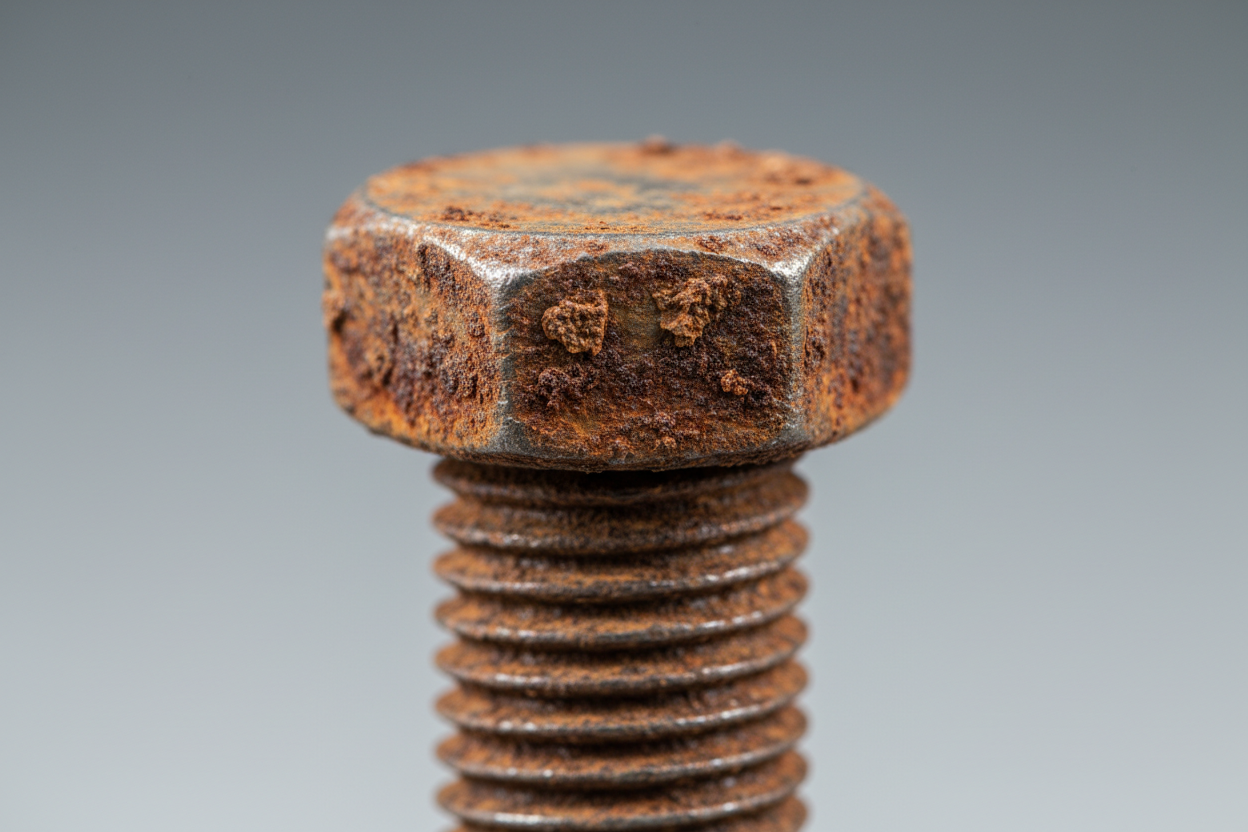
When working on outdoor projects, selecting the right bolts makes all the difference. Exposure to moisture, weather, and temperature swings can trigger rust and corrosion—compromising connections and threatening structural integrity.
This guide walks you through the best bolt materials and strategies to keep your fasteners performing reliably in harsh outdoor conditions.
Why Outdoor Fasteners Demand Careful Selection
The elements take a toll on standard fasteners. Here's what you're up against:
- Rain and humidity accelerate rust formation
- Salt spray near coastal areas speeds corrosion dramatically
- Freeze-thaw cycles and thermal expansion stress connections
Cutting corners on material choice risks safety, downtime, and costly repairs down the road.
Materials That Stand Up to the Outdoors
Stainless Steel
The gold standard for corrosion resistance. Stainless steel bolts resist rust in virtually any outdoor environment—especially critical near salt water or in high-humidity zones. Grade 304 handles most applications; Grade 316 offers superior protection in marine settings.
Galvanized Steel
A zinc coating shields steel from the elements at a lower cost than stainless. Galvanized bolts work well for construction, fencing, and structural projects where budget matters but durability can't be compromised.
Alloy Steel with Protective Coatings
High-strength alloy steel finished with corrosion-resistant coatings delivers the strength you need for heavy-duty or load-bearing applications without the premium price of stainless.
Matching Bolt Type to Your Outdoor Project
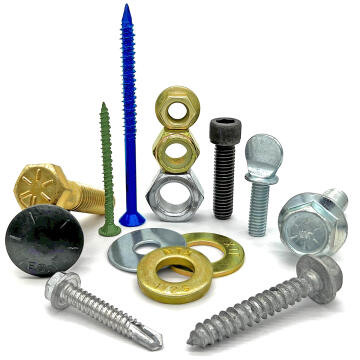
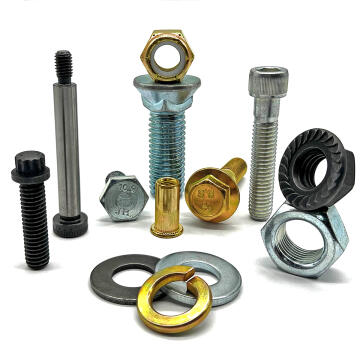
Hex Bolts in stainless or galvanized finish handle decks, fences, and machinery mounting. Versatile and reliable.
Carriage Bolts work best in stainless for wood projects and outdoor furniture where a clean appearance matters and you need a smooth, rounded head.
Lag Bolts in galvanized or stainless provide the holding power needed for heavy timber connections and structural wood applications.
Anchor Bolts in galvanized steel secure equipment and structures to concrete and masonry—essential for permanent outdoor installations.
Proven Tactics to Maximize Bolt Lifespan
- Apply anti-seize compound to threads before installation to prevent corrosion lock-up and simplify future removal
- Never mix dissimilar metals—galvanic corrosion accelerates when incompatible materials contact each other
- Inspect fasteners seasonally and replace any showing rust or degradation before failure occurs
- Choose bolt material matched to your specific environment—coastal, humid, or dry conditions each have different demands
Mistakes That Compromise Outdoor Fastening
- Relying on standard carbon steel outdoors—it will rust, often quickly
- Overlooking grade and material specs when ordering replacements
- Over-torquing bolts, which strips threads and weakens the connection
- Pairing stainless bolts with steel hardware, triggering galvanic corrosion
Get the Right Fasteners for Your Project
Building outdoor projects that last starts with the right hardware. Browse our selection of stainless steel, galvanized, and coated bolts in the sizes and grades your project requires. Match the bolt type to your substrate—wood, concrete, or steel—and you'll have a foundation that holds strong for years.
The Bottom Line
Outdoor fastening isn't one-size-fits-all. The material you choose, the environment you're building in, and the bolt type you select all work together to determine how long your project will last. Invest in the right fasteners upfront, and you'll avoid rust, corrosion, and the headaches that come with premature failure.