B&N Pro Membership

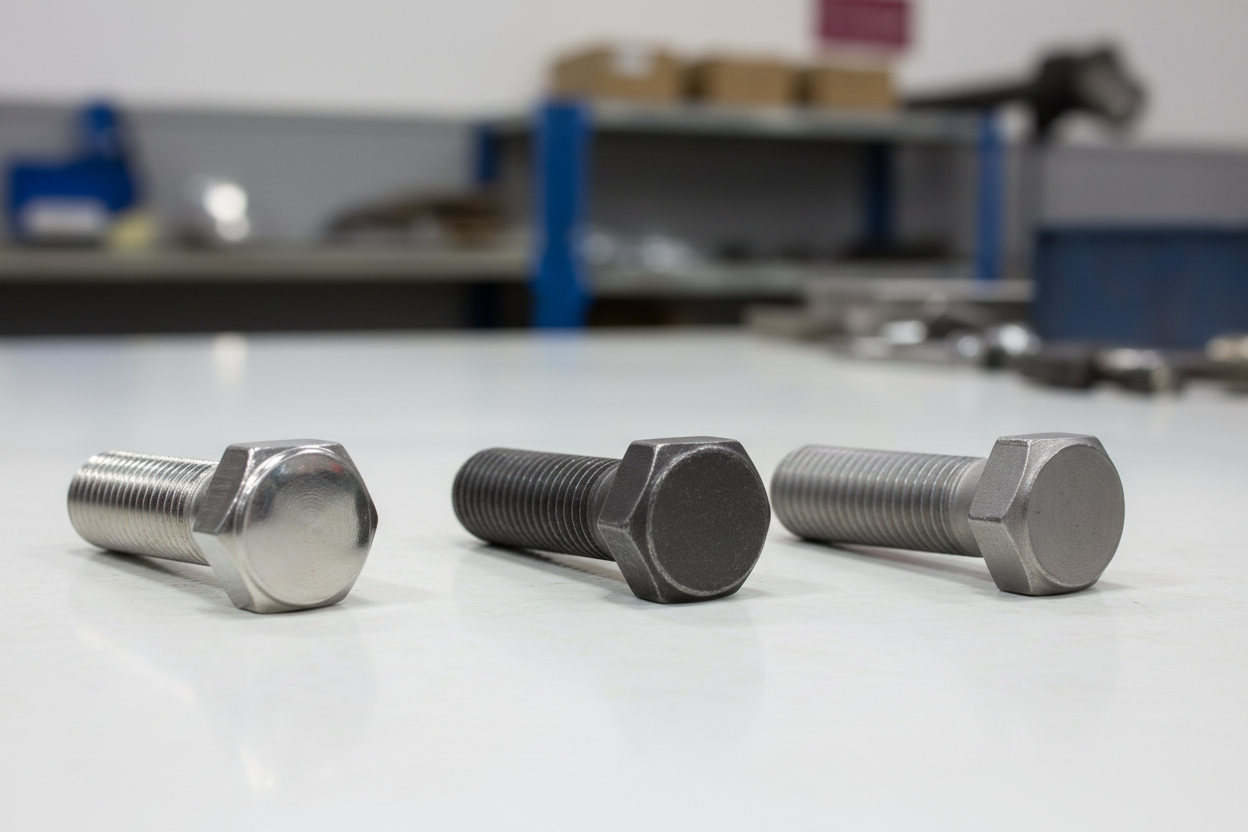
Not all bolts are created equal. The material you choose is one of the most critical decisions in selecting the right fastener for your project.
Material determines everything: strength, corrosion resistance, durability, and how your fasteners will perform under real-world conditions. Get it right, and your assembly stays solid for years. Get it wrong, and you're looking at rust, failure, and costly replacements.
In this guide, we'll walk you through the three most common bolt materials used in industrial and construction applications—and show you exactly when and why to use each one.
Why Bolt Material Matters
The wrong material choice creates real problems:
- Rust and corrosion that weakens connections over time
- Premature failure under load or environmental stress
- Weak joints that compromise structural integrity
- Wasted money on overkill specifications you don't need
Matching material to application is the foundation of reliable fastening. It's the difference between a connection that lasts decades and one that fails in months.
Stainless Steel Bolts
Stainless steel is the go-to choice when corrosion resistance is non-negotiable.
What Makes It Stand Out
- Superior corrosion resistance—stands up to moisture, salt, and harsh chemicals
- Clean, professional appearance that doesn't degrade visually
- Reliable performance in outdoor and wet environments
Best Applications
- Outdoor installations exposed to weather
- Marine or coastal environments
- Any project where rust is a real concern
- Food processing, chemical handling, or sanitary applications
Trade-Offs
- Higher cost than carbon steel alternatives
- Slightly lower strength ratings in extreme high-load scenarios
- Requires proper handling to avoid galling during installation
Carbon Steel Bolts
Carbon steel is the workhorse of fastening—strong, affordable, and available in countless grades for different applications.
What Makes It Stand Out
- High tensile strength for demanding load applications
- Cost-effective compared to specialty materials
- Wide range of grades and specifications available
Best Applications
- Indoor construction and assembly work
- General machinery and equipment
- Controlled environments where moisture isn't a factor
- Budget-conscious projects where corrosion protection can be added separately
Trade-Offs
- Rusts quickly without protective coating or plating
- Not suitable for outdoor use unless properly treated
- Requires maintenance in humid or wet conditions
Alloy Steel Bolts
Alloy steel is engineered for extreme performance. When you need maximum strength and reliability under punishing conditions, this is your material.
What Makes It Stand Out
- Exceptional tensile strength—built for heavy loads and high stress
- Heat-treated for consistent, predictable performance
- Designed to handle precision applications and critical assemblies
Best Applications
- High-stress mechanical assemblies and machinery
- Automotive and aerospace applications
- Situations where failure is not an option
- Heavy equipment and industrial fastening
Trade-Offs
- Premium pricing reflects the engineering and performance
- Requires protective coating—not naturally corrosion-resistant
- Overkill for general-purpose or light-duty applications
Quick Comparison
| Material | Strength | Corrosion Resistance | Cost | Best For |
|---|---|---|---|---|
| Stainless Steel | Medium–High | Excellent | Higher | Outdoor, wet, corrosive environments |
| Carbon Steel | High | Low | Lower | Indoor, general construction, budget projects |
| Alloy Steel | Very High | Low–Medium | Highest | Heavy-duty, high-stress, critical applications |
How to Choose the Right Material
Start by asking yourself these questions:
- Environment: Will this fastener be exposed to moisture, salt, chemicals, or outdoor weather?
- Load: How much stress or weight will this connection bear?
- Durability: How long does this assembly need to last without maintenance?
- Budget: What's your cost constraint, and can you justify premium materials?
Your answers will point you toward the right choice every time.
Common Mistakes to Avoid
- Using uncoated carbon steel outdoors and expecting it to last
- Specifying stainless steel everywhere when carbon steel would work fine
- Ignoring load requirements and choosing material based on price alone
- Mixing incompatible materials in the same assembly (galvanic corrosion)
- Assuming all "stainless" or "alloy" bolts are the same grade
Making Better Fastener Decisions
Understanding material properties helps you:
- Avoid costly failures and rework
- Select the right fastener on the first try
- Build assemblies that stay reliable for years
- Reduce long-term maintenance and replacement costs
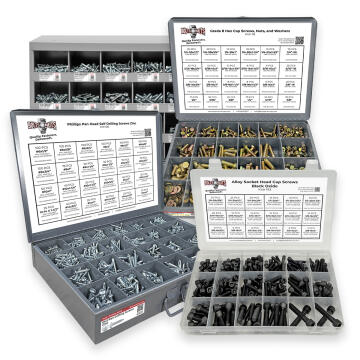
This is where systems like custom kitting and B&N Pro make a real difference—they ensure you're always pulling the correct material specifications for every project, eliminating guesswork and inconsistency.
The Bottom Line
Bolt material is just as critical as size or thread type. Your choice of stainless, carbon, or alloy steel should be driven by your specific environment and application requirements.
Choose wisely, and your connections will be stronger, longer-lasting, and more reliable. That's the foundation of quality work.