B&N Pro Membership

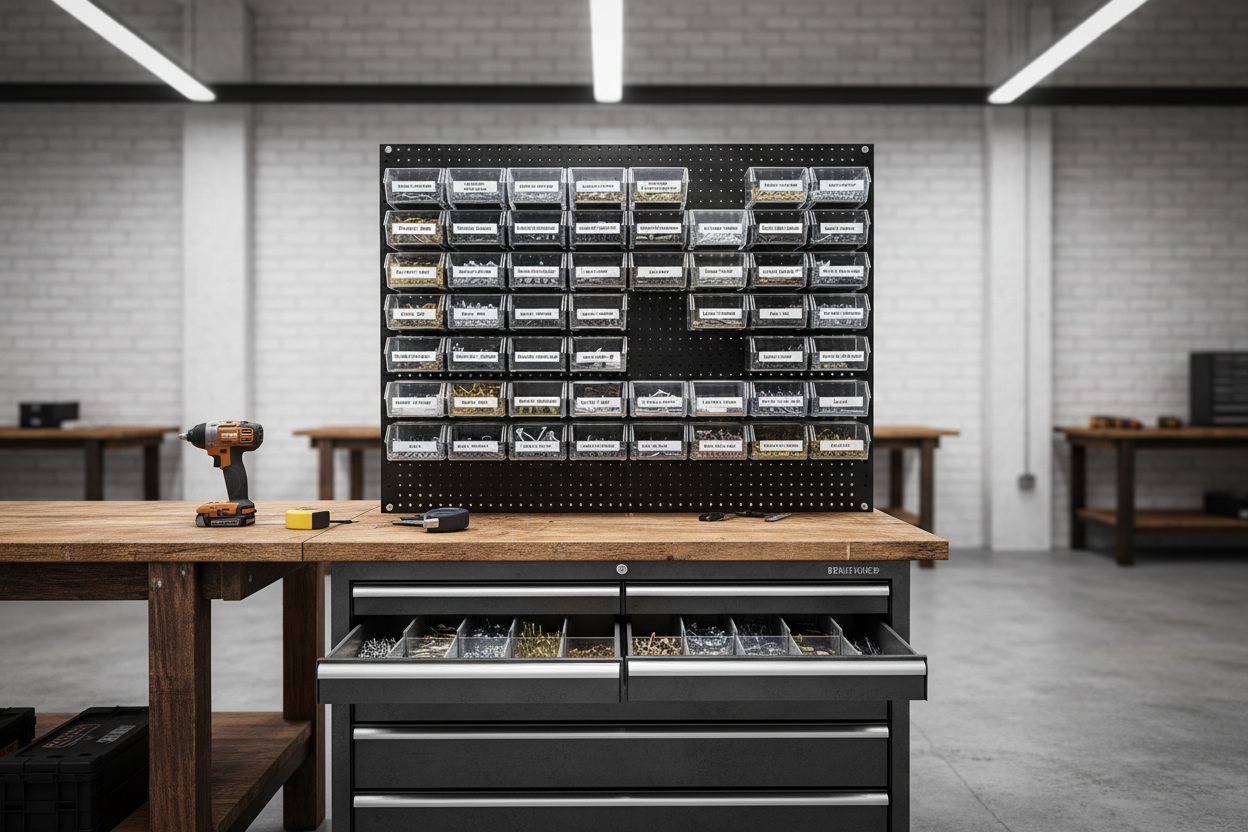
If you regularly work with bolts, nuts, and washers, you know how quickly things can become disorganized. Mixed-up fasteners don't just slow you down—they can also lead to mistakes, wasted time, and incorrect installations.
In this guide, we'll walk through practical and proven ways to organize fasteners in your workshop so you can work faster, smarter, and with confidence.
Why Fastener Organization Matters
A well-organized fastener system isn't just about neatness. It directly impacts your bottom line:
- Save time on every project by finding what you need instantly
- Avoid costly mistakes from using the wrong size or type
- Reduce waste and eliminate duplicate purchases
- Improve workflow efficiency and project turnaround
Whether you're a contractor, manufacturer, or serious DIYer, the time you invest in organization pays dividends immediately.
1. Sort by Type First
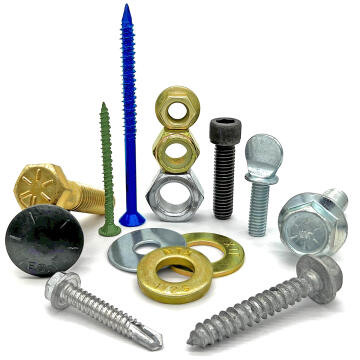
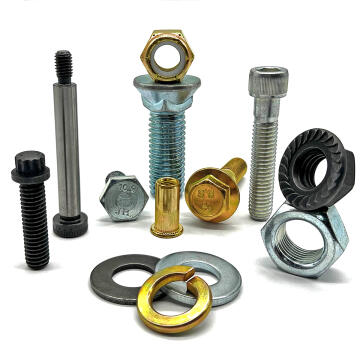
Start with the basics. Separate your fasteners into primary categories:
- Bolts
- Nuts
- Washers
- Screws
This foundational step makes everything that follows easier and more intuitive.
2. Organize by Size and Specification
Within each category, break things down further:
- Diameter (1/4", 3/8", M6, M8, etc.)
- Length
- Thread type (coarse vs. fine)
- Material and grade (when applicable)
Precision here prevents mix-ups and ensures you grab the right fastener every time.
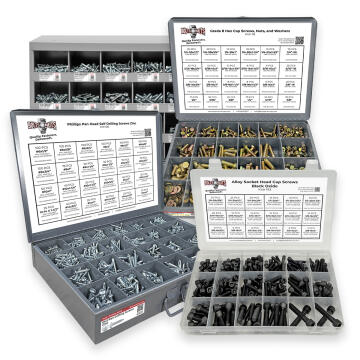
3. Invest in Clear Storage Containers
Transparent bins and drawer systems are essential:
- See your inventory at a glance without opening containers
- Prevent accidental mixing of sizes and types
- Keep similar items grouped logically
- Stack efficiently to maximize workshop space
Stackable organizers work especially well for shops with limited floor space.
4. Label Everything Clearly
Clear labeling is non-negotiable. Each container should display:
- Size and diameter
- Thread type and pitch
- Material (stainless, galvanized, etc.)
- Grade or specification (if relevant)
Good labeling eliminates guesswork and speeds up every project.
5. Create a Quick-Access Zone
Keep your most-used fasteners within arm's reach:
- Your go-to bolt sizes for common projects
- Popular washers and nuts you use regularly
- Items you reorder frequently
This simple habit saves time on every single job.
6. Track Inventory Systematically
For shops that move volume, a tracking system pays for itself:
- Use a spreadsheet or inventory app to log stock levels
- Flag items that are running low
- Record reorder quantities based on your usage patterns
This approach is especially valuable if you're managing multiple projects or team members.
7. Standardize Your Fastener Selections
Reduce complexity by standardizing where possible:
- Stick to a core set of sizes and types for your typical work
- Simplify bulk ordering and restocking
- Lower overall inventory footprint
Standardization also makes it easier to scale your operation as you grow.
Bonus: Pre-Sorted Kits and Custom Packaging
If storage and sorting feel like a burden, consider a different approach entirely:
- Order pre-sorted fastener sets tailored to your projects
- Organize by project type instead of loose inventory
- Eliminate most of the sorting and storage work upfront
This strategy works especially well for contractors and manufacturers who run similar jobs repeatedly.
Mistakes to Avoid
- Mixing different sizes in a single container—it defeats the purpose
- Using vague or missing labels that create confusion later
- Building a system so complex that you abandon it after a week
- Letting fasteners pile up unorganized after projects finish
The Bottom Line
A solid fastener organization system doesn't need to be complicated. Type, size, clear containers, and consistent labeling form the backbone of any effective setup.
Start simple, refine as you go, and you'll quickly notice faster project completion, fewer mistakes, and a workshop that actually works for you instead of against you.