B&N Pro Membership

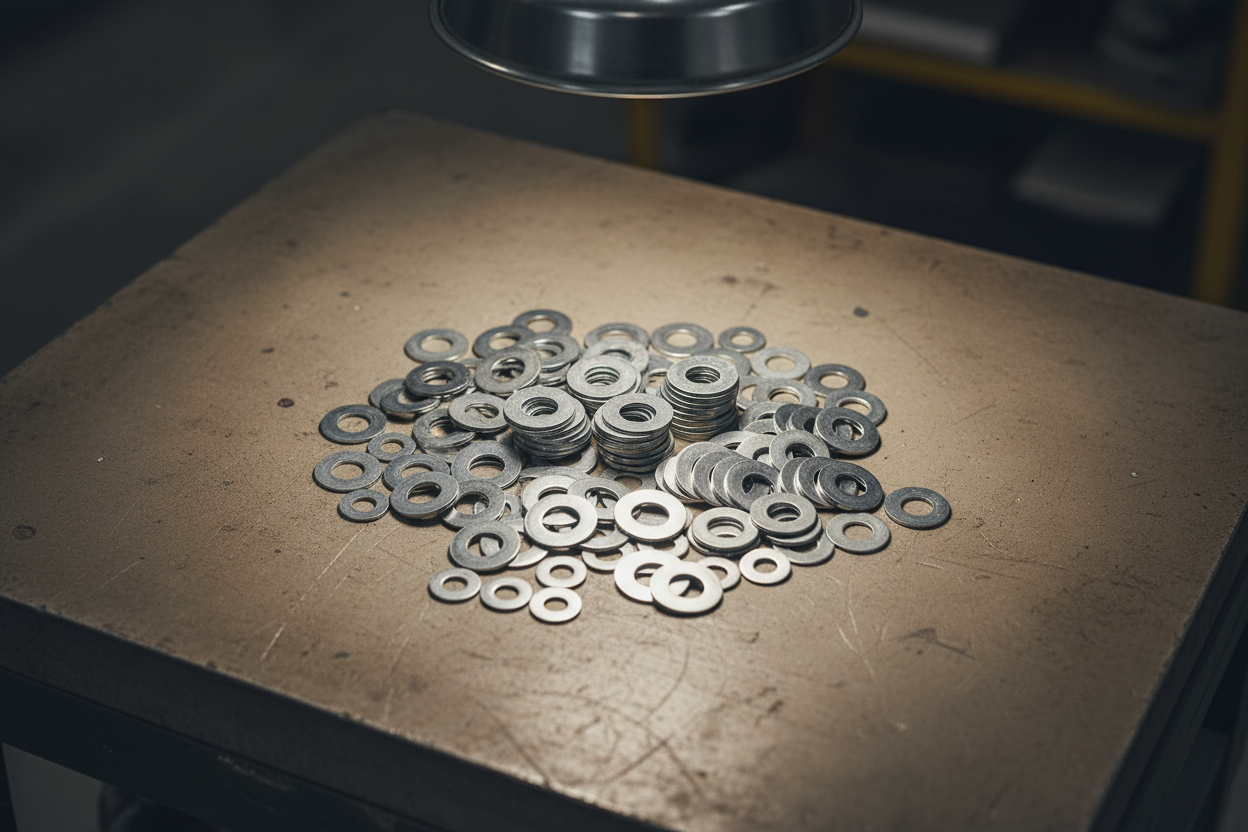
When selecting fasteners for your project, two of the most common options are lock washers and flat washers. Though they may appear similar at first glance, they serve distinctly different purposes and are suited to different applications.
This guide breaks down the key differences between lock washers and flat washers and helps you select the right choice for your specific needs.
What Is a Flat Washer?
Flat washers are the most fundamental and widely used washer type in fastening applications.
Key Characteristics:
- Smooth, uniform surface
- Distributes load evenly across the fastening area
- Protects underlying materials from damage
Ideal Applications:
- General-purpose fastening work
- Soft materials such as wood, plastic, or composites
- Preventing bolt heads and nuts from sinking into or marring surfaces
What Is a Lock Washer?
Lock washers are engineered to counteract bolt loosening caused by vibration, thermal cycling, and repeated stress.
Key Characteristics:
- Split or toothed design that grips fastener and substrate
- Creates spring tension to maintain clamping force
- Resists vibration-induced loosening
Ideal Applications:
- High-vibration environments and machinery
- Mechanical assemblies subject to movement or stress
- Critical fastening where bolt loosening poses a safety or performance risk
Lock Washer vs Flat Washer: Side-by-Side Comparison
| Feature | Flat Washer | Lock Washer |
|---|---|---|
| Primary Function | Load distribution and surface protection | Vibration resistance and bolt retention |
| Design | Smooth and flat | Split, toothed, or wave pattern |
| Best Use Case | General fastening and soft materials | Vibration-prone and high-stress applications |
| Material Protection | Excellent | Limited |
| Spring Tension | None | Yes |
Using Flat and Lock Washers Together
Many demanding applications benefit from using both washer types in combination:
- Flat washer first — placed directly against the material to distribute load and prevent surface damage
- Lock washer second — positioned under the bolt head or nut to provide vibration resistance
This layered approach delivers comprehensive protection: the flat washer safeguards your material while the lock washer maintains fastener integrity under stress.
Selecting the Right Washer for Your Project
- Choose flat washers when load distribution and material protection are priorities
- Choose lock washers when vibration, thermal cycling, or repeated stress is a concern
- Use both together in applications requiring maximum security and protection
- Always verify washer size matches your fastener diameter
Common Pitfalls to Avoid
- Relying solely on lock washers when load distribution is needed
- Omitting washers entirely to save cost
- Installing oversized or undersized washers
- Reusing lock washers that have been flattened or deformed
- Assuming lock washers eliminate the need for proper torque specifications
Finding the Right Washers
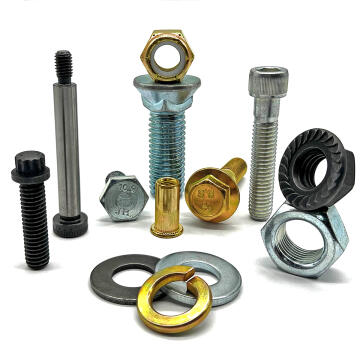
Explore our washer selection by type, size, material, and finish to find exactly what your project requires. Whether you need standard flat washers, split-ring lock washers, or specialty options, we stock the fasteners that keep your assemblies secure.
Conclusion
Flat washers and lock washers each play a critical role in fastening. Flat washers distribute load and protect materials, while lock washers resist vibration and maintain bolt tension. Understanding when to use each—and when to combine them—ensures your fasteners remain secure, your materials stay protected, and your assemblies perform reliably over time.