B&N Pro Membership

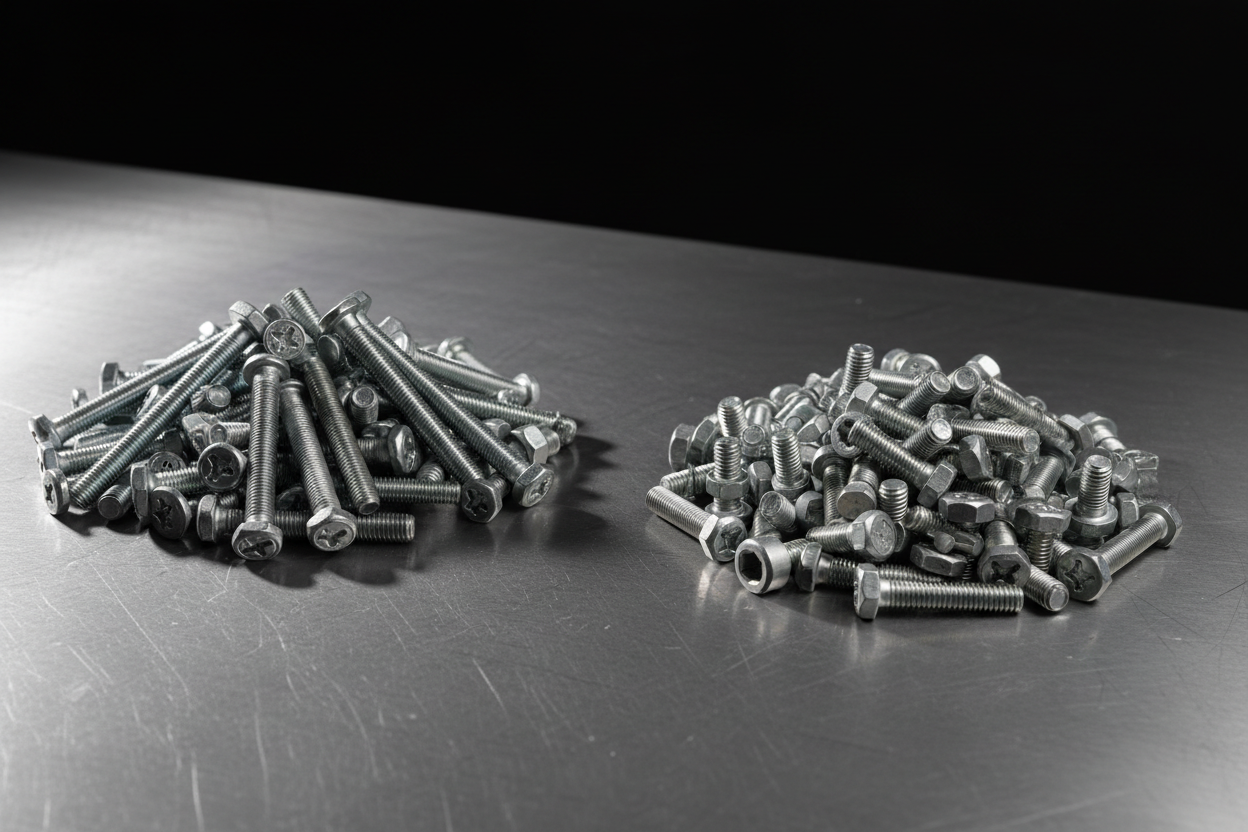
One of the most common sources of confusion when working with fasteners is understanding the difference between SAE and metric nuts and bolts.
At first glance, many fasteners may appear similar—but using the wrong sizing system can lead to stripped threads, poor fitment, damaged hardware, and frustrating assembly problems.
In this guide, we’ll explain the differences between SAE and metric fasteners, how sizing works, and how to avoid common mistakes.
What Are SAE Fasteners?
SAE fasteners use the imperial measurement system commonly used in the United States.
SAE stands for:
👉 Society of Automotive Engineers
These fasteners are typically measured using:
- Inches
- Threads per inch (TPI)
- Fractional sizing
Example SAE Sizes:
- 1/4"-20
- 3/8"-16
- 1/2"-13
What Are Metric Fasteners?
Metric fasteners use the metric measurement system used throughout most of the world.
Metric fasteners are measured using:
- Millimeters
- Thread pitch in millimeters
Example Metric Sizes:
- M6 x 1.0
- M8 x 1.25
- M10 x 1.5
The Biggest Difference: Sizing Systems
The main difference is how sizes are measured.
SAE Fasteners:
- Diameter measured in inches
- Thread count measured in threads per inch
Metric Fasteners:
- Diameter measured in millimeters
- Thread spacing measured by distance between threads
Because of this, SAE and metric fasteners are not interchangeable.
Why Mixing SAE and Metric Fasteners Causes Problems
Using the wrong fastener system can:
- Damage threads
- Cause weak connections
- Lead to cross-threading
- Create unsafe assemblies
Even if a bolt “almost fits,” forcing mismatched threads can permanently damage hardware.
Understanding Thread Pitch
Thread pitch refers to the spacing between threads.
SAE Thread Pitch:
Measured in:
👉 Threads per inch (TPI)
Example:
- 1/4"-20 = 20 threads per inch
Metric Thread Pitch:
Measured by:
👉 Distance between threads in millimeters
Example:
- M8 x 1.25 = 1.25mm between threads
Understanding thread pitch is essential for proper compatibility.
How to Identify SAE vs Metric Fasteners
Some quick ways to identify them:
SAE Fasteners
- Fractional sizing
- Inch-based measurements
- Common in older American equipment
Metric Fasteners
- “M” sizing designation
- Millimeter measurements
- Common in modern equipment and imports
Using sizing charts or thread gauges helps eliminate confusion.
Which System Is Better?
Neither system is universally “better.”
The correct choice depends on:
- Existing hardware
- Equipment requirements
- Regional standards
- Project specifications
The most important thing is maintaining consistency within the assembly.
Common Mistakes to Avoid
Many people:
- Mix metric and SAE hardware
- Assume similar sizes are interchangeable
- Ignore thread pitch differences
- Force mismatched fasteners together
These mistakes often lead to damaged threads and unreliable connections.
Why Organization and Labeling Matter
As fastener inventories grow, separating SAE and metric hardware becomes increasingly important.
Modern fastener workflows now rely on:
- Organized inventory systems
- Clear labeling
- QR reorder labels
- Faster reorder workflows
Programs like B&N Pro help simplify repeat ordering and improve organization for both SAE and metric fastener systems.
Final Thoughts
Understanding the difference between SAE and metric nuts and bolts helps prevent costly mistakes and improves fastening reliability.
The better you understand sizing systems and thread compatibility, the easier it becomes to choose the right fasteners, stay organized, and simplify future ordering.