B&N Pro Membership

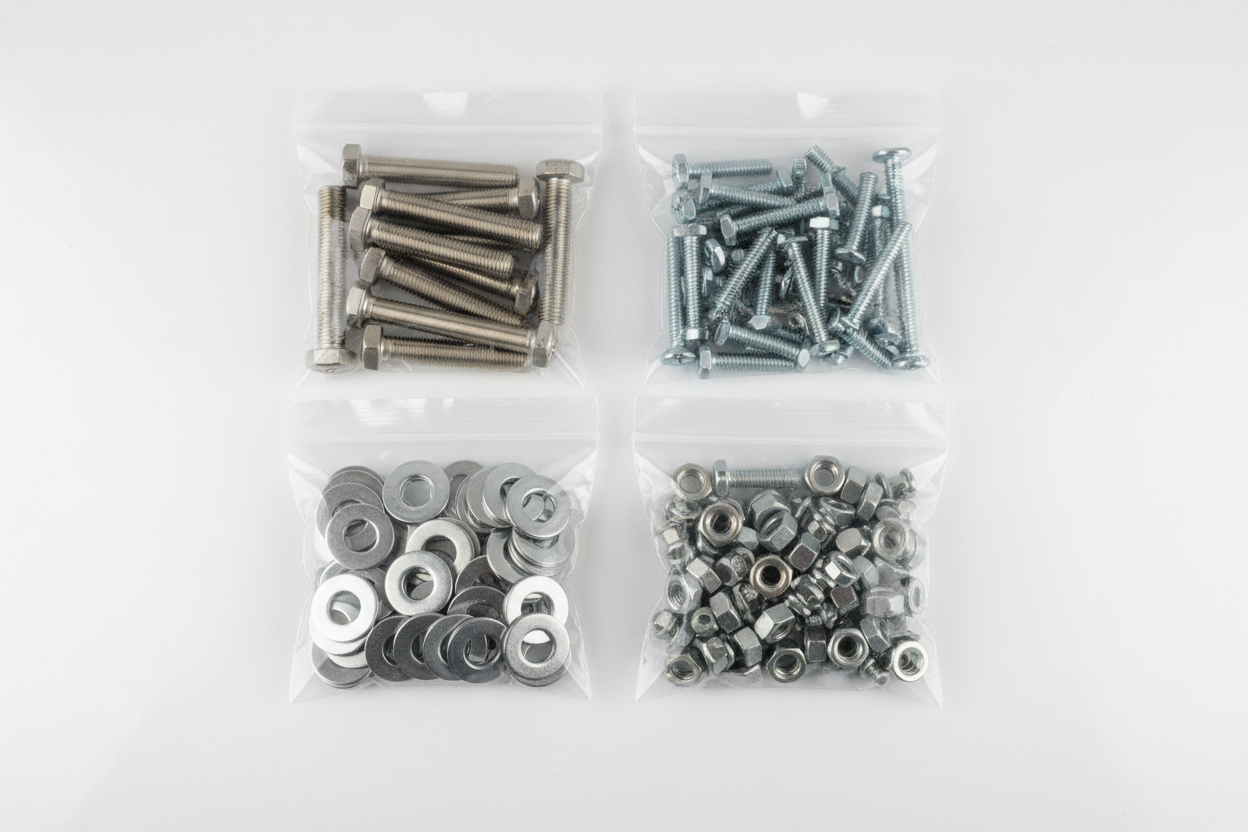
When buying bolts, nuts, and fasteners, one of the most common decisions is whether to purchase in bulk or buy individual pieces as needed. Both options have advantages, but the right choice depends on how often you use fasteners, the type of projects you work on, and your long-term cost strategy.
In this guide, we'll compare bulk fasteners vs individual purchases so you can decide what works best for your operation.
What Are Bulk Fasteners?
Bulk fasteners are purchased in larger quantities, typically at a reduced cost per unit. This approach works well for contractors, manufacturers, and maintenance teams who move through inventory consistently.
Bulk buying is ideal for:
- Regular maintenance and repair workflows
- Ongoing or repeat projects with predictable fastener needs
- Operations that stock inventory for quick access
- Teams looking to streamline procurement and reduce order frequency
What Are Individual Fastener Purchases?
Individual purchases involve buying specific bolts, nuts, or washers in smaller quantities—exactly what you need for a particular job. This approach offers flexibility without long-term commitment.
Individual buying works best for:
- One-off DIY or specialty projects
- Small repairs or quick fixes
- Testing or prototyping with new fastener types
- Occasional users with unpredictable fastener needs
Bulk Fasteners: Pros and Cons
Pros
- Significantly lower cost per unit
- Fewer reorders mean less administrative overhead
- Strong long-term value for consistent users
- Always have stock on hand—no project delays
Cons
- Higher upfront investment required
- Requires adequate storage and inventory management
- Risk of overbuying specialty or uncommon sizes
Individual Purchases: Pros and Cons
Pros
- Lower upfront cost per order
- Maximum flexibility for varied project types
- Minimal storage requirements
- Ideal for occasional or seasonal users
Cons
- Higher cost per unit over time
- More frequent ordering and shipping costs
- Risk of running out mid-project
Cost Comparison: The Numbers Matter
For frequent users, the math favors bulk purchasing. When you buy individually, you pay a premium per fastener. When you buy in bulk, that per-unit cost drops significantly. Over a year of regular use, the savings compound—especially for standard sizes you use repeatedly.
For occasional users, individual purchases may cost more per unit, but the total annual spend stays lower because you're not carrying excess inventory.
When You Should Buy in Bulk
Bulk fasteners make the most sense if you:
- Use the same sizes repeatedly across multiple projects
- Manage ongoing maintenance or construction workflows
- Want to reduce long-term costs and ordering overhead
- Have adequate storage and inventory management systems
When Individual Purchases Make More Sense
Stick with individual buying if you:
- Only work on occasional or seasonal projects
- Need specific one-time fasteners for specialty applications
- Prefer minimal storage and inventory complexity
How B&N Pro Fits Into This
Programs like B&N Pro help bridge the gap between bulk and individual purchasing by offering:
- Consistent discounts on most items
- Faster checkout and reordering for frequent purchases
- Access to tools and resources that improve efficiency
This makes frequent purchasing easier—whether you're buying bulk quantities or ordering regularly in smaller amounts.
Custom Kitting as a Third Option
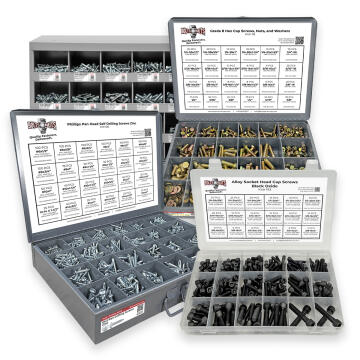
Another alternative is custom packaging and kitting, which combines the best of both approaches:
- Pre-organized fastener assortments tailored to your projects
- Reduced sorting and inventory management time
- Project-specific bundles that match your actual workflow
Custom kitting eliminates waste while ensuring you have exactly what you need.
Final Thoughts
There's no single "best" option—bulk and individual purchases both have their place in a smart procurement strategy. The key is choosing based on your usage patterns, project frequency, and storage capacity.
For frequent users and operations, bulk purchasing or subscription-style programs deliver the strongest ROI. For occasional users, individual purchases provide the flexibility you need without unnecessary overhead. And for those in between, custom kitting offers a practical middle ground.