B&N Pro Membership

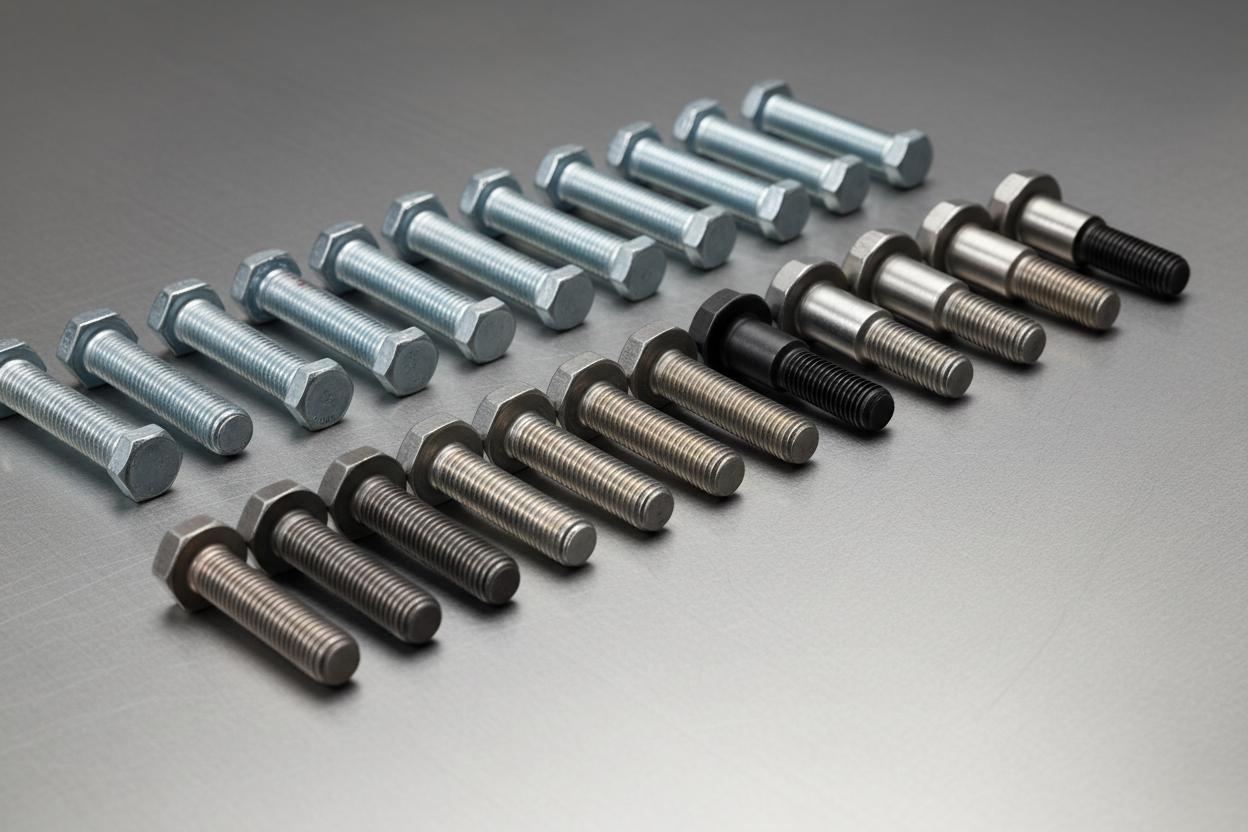
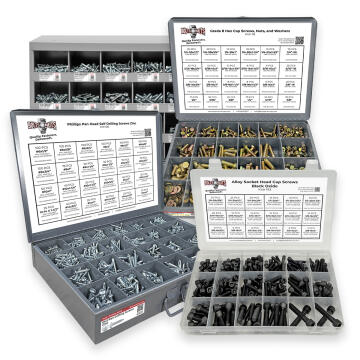
Bolts are the backbone of reliable assembly work. Whether you're building structural frameworks, maintaining industrial equipment, or tackling precision mechanical projects, selecting the right fastener makes the difference between a job done right and costly rework.
This guide covers the most common bolt types you'll encounter and their practical applications across residential, commercial, and industrial settings.
Hex Bolts
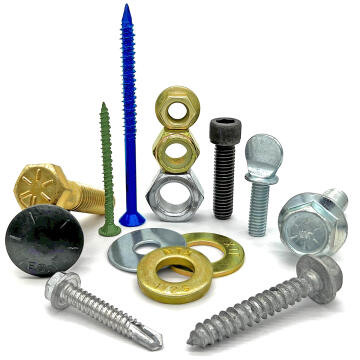
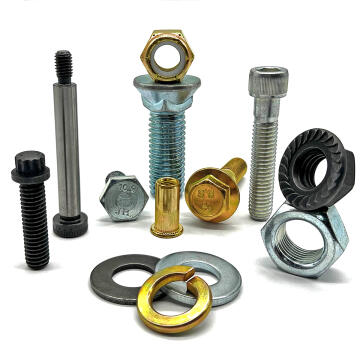
The workhorse fastener. Hex bolts feature a six-sided head and fully threaded shaft, making them ideal for general-purpose fastening in wood, metal, and machinery applications. Their simple design and wide availability make them a go-to choice for most projects.
Pro tip: Always pair hex bolts with washers to distribute load evenly and prevent surface damage, especially in softer materials.
Carriage Bolts
Built for wood and finished applications. Carriage bolts have a distinctive rounded head with a square neck underneath that prevents rotation during installation. This design makes them ideal for wood projects, furniture assembly, and applications where appearance matters.
Pro tip: Pre-drill pilot holes slightly smaller than the bolt diameter to ensure smooth installation and reduce splitting in wood.
Lag Bolts
Heavy-duty fastening for structural work. Lag bolts combine the strength of a bolt with the holding power of a screw. Their coarse threads bite aggressively into wood, making them essential for structural connections, decking, and outdoor projects that demand long-term reliability.
Pro tip: Always drill pilot holes and use a wrench for proper tightening. Attempting to drive lag bolts without preparation risks splitting wood and incomplete seating.
Machine Screws
Precision fastening for tight tolerances. Machine screws are smaller in diameter with precise, uniform threading. They're engineered for electronics, machinery, and metal assemblies where accuracy and repeatability matter.
Pro tip: Use machine screws with either nuts or pre-tapped holes. Their smaller size makes them unsuitable for hand-tightening without proper engagement.
Shoulder Bolts
For moving and rotating assemblies. Shoulder bolts feature a cylindrical unthreaded shaft between the head and threaded portion. This design allows attached components to rotate freely while maintaining secure fastening—essential for mechanical assemblies, pivot points, and articulated connections.
Pro tip: The unthreaded shoulder acts as a spacer, so measure carefully to ensure proper clearance for moving parts.
Specialized Fasteners
U-bolts clamp pipes and tubing securely without drilling. Eye bolts provide anchor points for hanging, lifting, and rigging applications. Flange bolts feature an integrated washer that distributes load more effectively than separate components, reducing assembly steps and improving reliability.
Selecting the Right Bolt for Your Project
The right fastener choice depends on several factors. Material selection—stainless steel for corrosion resistance, galvanized for outdoor durability, or alloy steel for high-strength applications—directly impacts longevity. Thread type matters too: coarse threads grip quickly and work well in softer materials, while fine threads provide better holding power in metals and allow finer adjustment.
Always match size and grade to your specific requirements. A bolt rated for light-duty use will fail under structural loads, while oversizing adds unnecessary cost and weight. Finally, use proper installation techniques—pilot holes, appropriate torque, and correct tools—to ensure your fasteners perform as intended.
Find the Right Fastener
Browse our complete selection of bolts organized by type, material, size, thread specification, and grade. Our inventory supports everything from small DIY repairs to large-scale industrial projects, with detailed specifications to help you make confident purchasing decisions.
Wrapping Up
Understanding bolt types and their applications takes the guesswork out of fastener selection. The time you invest in choosing the right bolt—considering material, size, grade, and installation method—pays dividends in assembly quality, safety, and durability. When you match the fastener to the job, you build with confidence.