Choosing the right bolt grade is critical for safety, performance, and durability. Two of the most commonly used options are Grade 5 and Grade 8 bolts—but what's the difference, and which one should you use?
In this guide, we'll break down the key differences between Grade 5 vs Grade 8 bolts so you can make the right choice for your project.
What Are Bolt Grades?
Bolt grades indicate the strength of a bolt, specifically its tensile strength and how much stress it can handle before failing. The simple rule: higher grade equals stronger bolt. Grades are identified by markings on the bolt head—a quick visual reference that tells you exactly what you're working with.
How to Identify Grade 5 vs Grade 8 Bolts
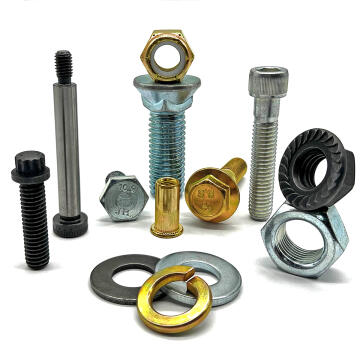
You can quickly tell the difference by looking at the head markings:
- Grade 5: 3 radial lines
- Grade 8: 6 radial lines
No markings usually indicate a lower-grade bolt (Grade 2).
Strength Differences
Grade 8 bolts deliver approximately 150,000 psi of tensile strength, compared to Grade 5's roughly 120,000 psi. That difference matters when you're working with demanding loads and high-stress environments. Grade 8 is engineered for heavy machinery, suspension systems, and structural applications where failure isn't an option. Grade 5 strikes a balance between strength and ductility, making it the go-to for automotive, construction, and general machinery assembly.
When to Use Grade 5 Bolts
Grade 5 bolts are ideal for:
- Automotive applications
- General construction
- Machinery assembly
- Situations where some flexibility is beneficial
They offer a good balance of strength and ductility, meaning they can handle stress without snapping easily. This flexibility is a real advantage in real-world conditions where vibration and minor stress spikes are common.
When to Use Grade 8 Bolts
Grade 8 bolts are best for:
- Heavy machinery
- Suspension components
- Structural applications
- High-stress or load-bearing environments
They are stronger but also more brittle than Grade 5 bolts. This brittleness means they're less forgiving if over-tightened or exposed to unexpected stress.
Key Differences at a Glance
- Grade 8 bolts are stronger than Grade 5
- Grade 5 bolts are more flexible
- Grade 8 bolts are better for high-stress environments
- Grade 5 bolts are more versatile for general use
Can You Replace a Grade 5 Bolt with Grade 8?
In some cases, yes—but not always. Upgrading to a stronger bolt might seem like the better choice, but it can backfire:
- Grade 8 bolts can be more brittle
- They may not perform well in applications requiring flexibility
- Over-tightening can lead to failure
Always match the bolt grade to the application requirements. Stronger doesn't always mean better.
Common Mistakes to Avoid
- Using a lower-grade bolt in high-stress applications
- Assuming stronger is always better
- Ignoring manufacturer specifications
- Mixing different bolt grades in the same assembly
Shop Grade 5 and Grade 8 Bolts
Choosing the right bolt grade ensures safety and long-term performance. We stock a comprehensive selection of Grade 5 and Grade 8 bolts in multiple sizes, materials, and finishes to match your exact needs. Whether you're building, repairing, or maintaining equipment, we have the right fastener for the job.
Final Thoughts
Understanding the difference between Grade 5 vs Grade 8 bolts can prevent costly mistakes and improve the reliability of your projects. When in doubt, consider the load, stress, and environment—and choose the bolt that's designed to handle it.