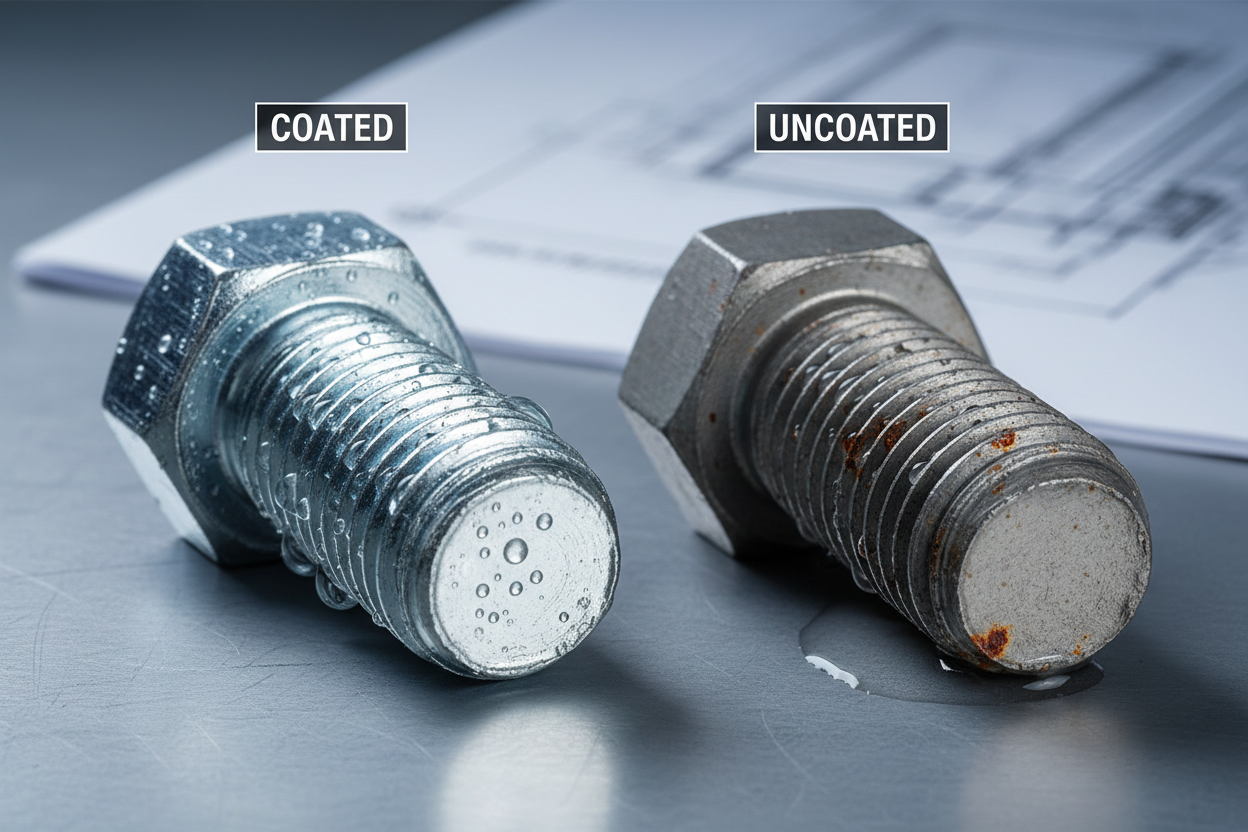
When choosing bolts for a project, one of the most overlooked but important decisions is whether to use coated or uncoated fasteners. The difference affects corrosion resistance, durability, performance, and cost—and getting it right can save you time, money, and headaches down the road.
In this guide, we'll break down coated vs uncoated bolts so you can make an informed choice for your application.
What Are Coated Bolts?
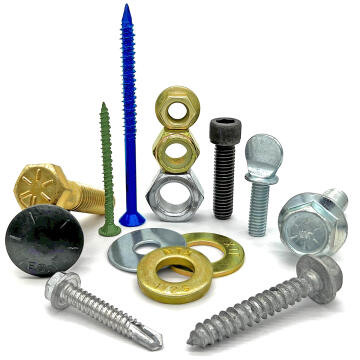
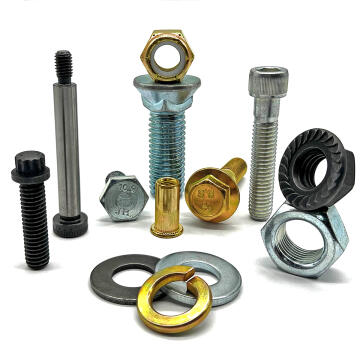
Coated bolts have a protective layer applied to the metal surface. This coating improves performance and extends the lifespan of the fastener in demanding environments.
Common coatings include:
- Zinc plating—affordable and widely used for general corrosion protection
- Hot-dip galvanization—heavy-duty protection for harsh outdoor conditions
- Black oxide—aesthetic finish with moderate corrosion resistance
- Powder coating—durable finish for specialized applications
Key benefits:
- Superior corrosion resistance in wet, salty, or humid environments
- Extended lifespan and reduced maintenance
- Better performance in outdoor or industrial settings
- Added surface protection against wear and oxidation
What Are Uncoated Bolts?
Uncoated bolts are raw metal fasteners with no additional protective treatment. They're straightforward, cost-effective, and suitable for controlled environments.
Key characteristics:
- No surface treatment—just bare metal
- Lower upfront cost
- Strength depends entirely on the base material
Limitations:
- Susceptible to rust and corrosion over time
- Not recommended for moisture-heavy or outdoor applications
- Shorter lifespan in exposed or harsh environments
Coated vs Uncoated: Key Differences
Corrosion Resistance: Coated bolts excel in wet, salty, or humid conditions. Uncoated bolts are best reserved for dry, controlled environments.
Durability: Coated fasteners last longer in demanding applications. Uncoated bolts work fine for temporary or indoor assemblies.
Cost: Uncoated bolts have a lower upfront price, but coated bolts often deliver better long-term value by reducing replacement frequency.
Best Use Cases: Choose coated for outdoor projects, marine environments, or anywhere moisture is present. Choose uncoated for dry, indoor, or non-critical applications.
When to Use Coated Bolts
Coated bolts are the right choice when:
- Your project is exposed to outdoor conditions
- Moisture, humidity, or salt spray is a factor
- Long-term durability and reliability are priorities
- Corrosion risk is high due to the environment or application
- Maintenance access is limited or costly
When to Use Uncoated Bolts
Uncoated bolts make sense when:
- The environment is dry and climate-controlled
- Cost is a primary concern and corrosion risk is minimal
- The assembly is temporary or non-critical
- The fastener will be replaced frequently anyway
Common Mistakes to Avoid
- Using uncoated bolts outdoors: This is a recipe for premature rust and failure. Always match the coating to the environment.
- Assuming all coatings are equal: Different coatings offer different levels of protection. Hot-dip galvanization, for example, outperforms zinc plating in harsh conditions.
- Overpaying for unnecessary coatings: If your application is dry and indoor, uncoated bolts will serve you well and save money.
- Ignoring environmental factors: Temperature swings, humidity, and chemical exposure all affect bolt performance. Plan accordingly.
How This Impacts Your Bottom Line
The coated vs uncoated decision directly affects:
- How long your assembly will last before needing replacement
- Ongoing maintenance and inspection costs
- Frequency of repairs or replacements
- Total cost of ownership over the project lifecycle
Making the right choice upfront prevents costly failures and extends the life of your equipment.
Streamline Your Fastener Selection with B&N Pro
If you're managing multiple projects or high-volume orders, consistency matters. With B&N Pro, you can standardize your fastener choices, maintain reliable ordering habits, and avoid mixing incompatible bolt types. Plus, you'll save 10% on most items—which adds up fast on bulk orders.
Custom Kitting for Accuracy
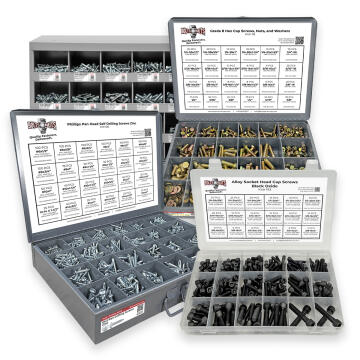
Our custom packaging and kitting service takes the guesswork out of fastener selection. We can pre-assemble kits with the correct coatings for your specific environment or application, group bolts by use case, and organize everything to minimize selection errors. This ensures the right fasteners reach the job site every time.
The Bottom Line
Choosing between coated and uncoated bolts comes down to three factors: your environment, your performance requirements, and your long-term cost outlook.
Coated bolts deliver protection and durability in demanding conditions. Uncoated bolts offer simplicity and lower upfront cost for controlled environments. Choose wisely, and you'll avoid premature failures, reduce maintenance headaches, and get better performance from your fasteners.