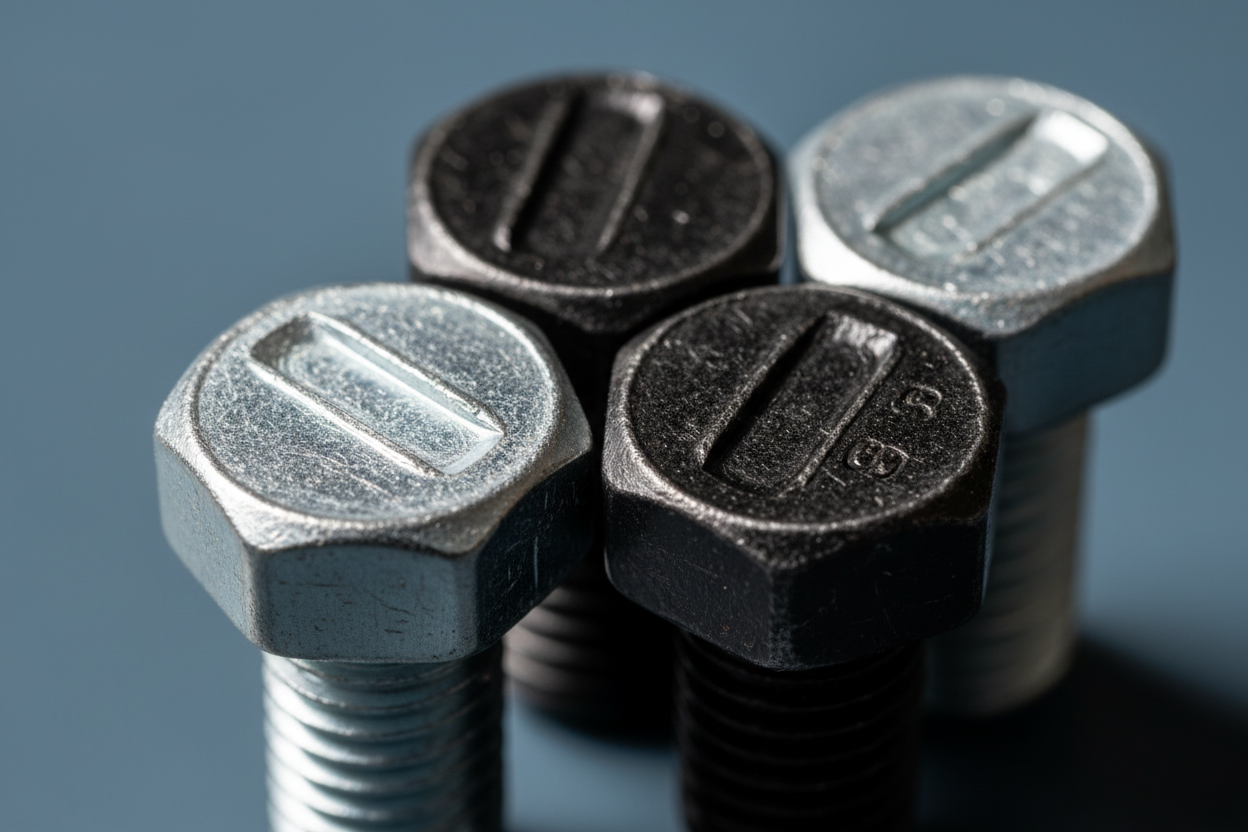
Bolt grades are a critical factor when selecting fasteners for any project. The grade tells you the material strength, tensile strength, and how the bolt will perform under load. Pick the wrong grade, and you risk stripped threads, bolt failure, or worse—an unsafe assembly.
This guide breaks down common bolt grades and what each one means for your work.
What Is a Bolt Grade?
A bolt grade is a standardized classification that indicates how strong a bolt is. You'll find it stamped right on the head, and it gives you critical information about:
- Material composition
- Tensile strength (how much pulling force it can take)
- Yield strength (the point where it starts to deform permanently)
Knowing the grade ensures you're choosing bolts that can actually handle what you're throwing at them.
The Main Bolt Grades You'll Encounter
Grade 2
Grade 2 bolts are made from low carbon steel and are the entry-level option. They're fine for basic hardware work and light-duty, non-critical applications where loads are minimal. Think garden gates, light shelving, or general repairs where strength isn't the primary concern.
Grade 5
Grade 5 bolts step up the game. They're medium carbon steel that's been quenched and tempered, giving them solid strength and durability. You'll find these in automotive work, machinery assembly, and general-purpose industrial applications. They're the workhorse of the fastener world—strong enough for most jobs without being overkill.
Grade 8
Grade 8 bolts are the heavy hitters. Made from medium carbon alloy steel and heat-treated for maximum strength, they're built for high-stress, heavy-duty applications. Mechanical assemblies, structural work, and demanding industrial projects are where Grade 8 bolts earn their keep.
Metric Bolt Grades
If you're working with metric fasteners, the grading system is different but follows the same logic:
- 4.6 – Low strength; equivalent to Grade 2
- 8.8 – Medium strength; equivalent to Grade 5
- 10.9 / 12.9 – High strength; equivalent to Grade 8
How to Identify What Grade You're Looking At
Bolt grades aren't a mystery—they're marked right on the fastener:
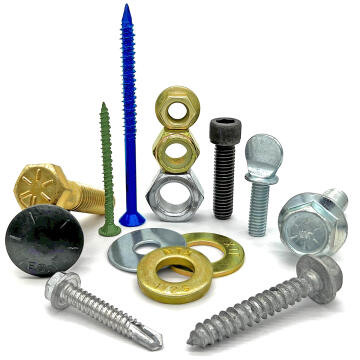
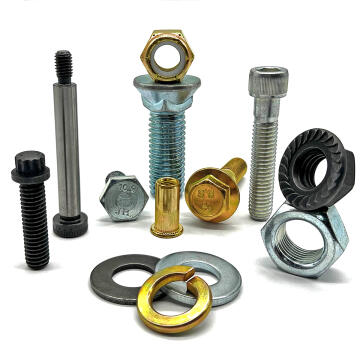
- Head markings – Numbers or radial lines stamped into the bolt head indicate the grade
- Color or finish – Some manufacturers use color coding to make identification faster
- Material feel – Higher-grade bolts are typically harder and more brittle than lower grades
Picking the Right Grade for Your Project
Don't just grab whatever bolt is closest. Think through these factors:
- Load and stress – How much force will the bolt actually experience?
- Environment – Will it face rust, corrosion, or extreme temperatures?
- Material being fastened – What are you bolting together, and how strong does it need to be?
- Safety requirements – Some applications demand higher grades for liability and safety reasons
Match the grade to your actual needs, and you'll get reliable performance every time.
Mistakes That Cost You
Here's what to avoid:
- Using low-grade bolts in high-stress situations (they'll fail)
- Ignoring the head markings and manufacturer specifications
- Mixing metric and SAE grades without understanding the conversion
- Assuming all bolts of the same size have the same strength (they don't)
Find the Right Bolts at Bolts and Nuts
We stock bolts organized by grade, material, type, and thread size so you can find exactly what you need. Whether you're building something light or tackling a heavy-duty industrial project, we've got the right fastener in stock.
The Bottom Line
Bolt grades aren't just numbers stamped on metal—they're a direct measure of how much stress a fastener can handle. Understanding grades 2, 5, 8, and their metric equivalents puts you in control of your project's strength and safety. Choose wisely, and your assembly will be solid for years to come.