B&N Pro Membership

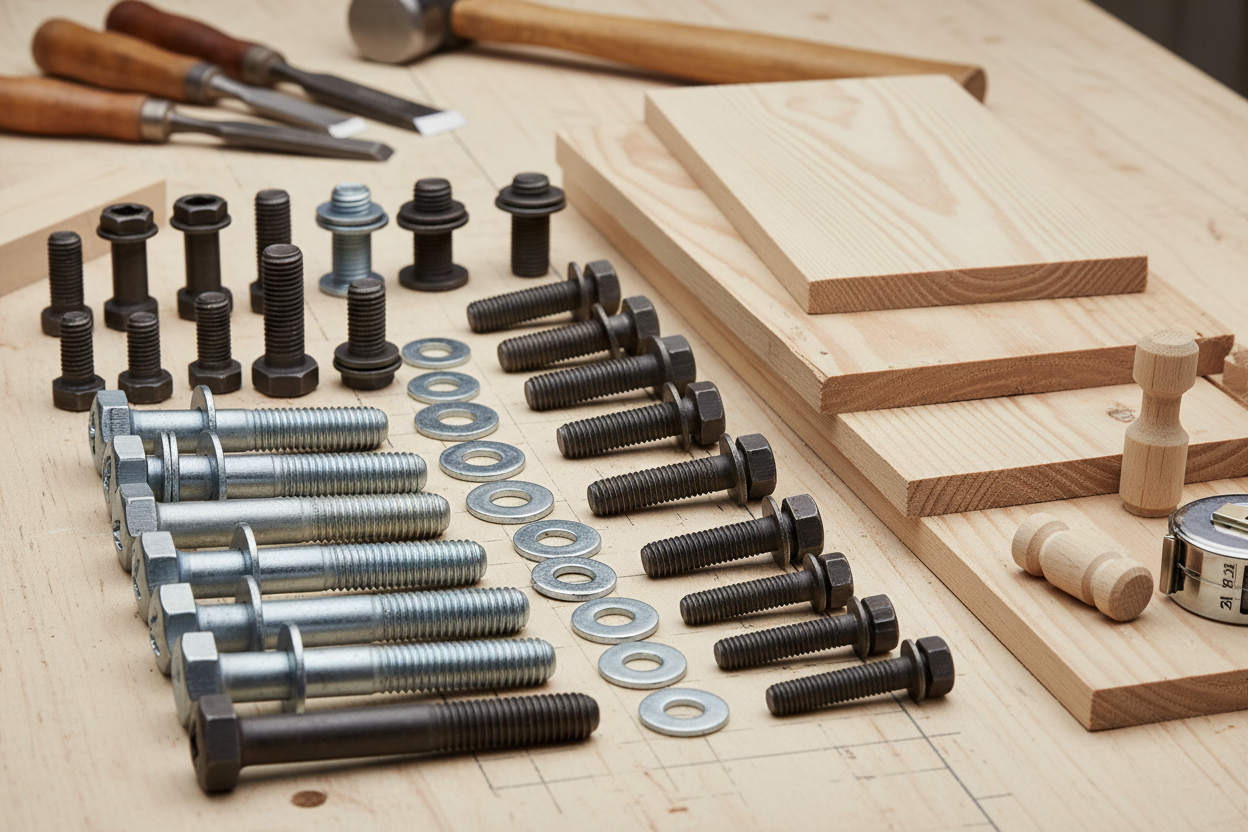
Choosing the right bolt for a wood project is essential for strength, stability, and long-lasting results. The wrong fastener can split the wood, strip threads, or fail under load—compromising both safety and durability.
This guide walks you through selecting bolts for wood applications, covering types, materials, sizes, and installation best practices to help you make informed decisions for your next project.
Key Factors When Choosing a Bolt for Wood
Bolt Type
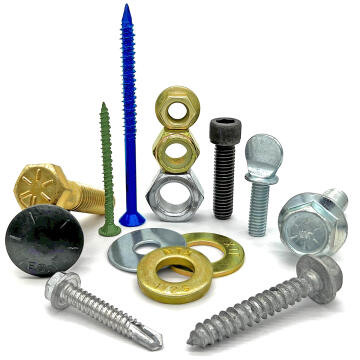
- Carriage bolts — Rounded head design sits flush on wood surfaces, ideal for visible applications like outdoor furniture and decks.
- Lag bolts — Heavy-duty fasteners designed specifically for wood, offering superior holding power in structural applications.
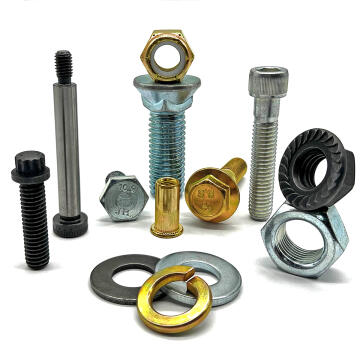
- Hex bolts — Versatile all-purpose option that works well with washers and nuts for adjustable assemblies.
Bolt Material
- Stainless steel — Rust-resistant and ideal for outdoor projects, humid environments, or applications exposed to moisture.
- Galvanized steel — Cost-effective corrosion protection suitable for most wood projects with moderate exposure.
- Coated alloy steel — High strength and durability for heavy-load applications requiring maximum holding power.
Size and Length
- Bolt length should penetrate the wood by at least 1.5 times the material thickness for adequate grip.
- Diameter selection depends on load requirements—heavier loads demand larger diameters.
- Use multiple bolts distributed across the joint for improved stability and load distribution.
Thread Type
- Coarse threads — Better grip on wood fibers with lower risk of splitting, especially in softer woods.
- Fine threads — Higher clamping force and better performance in hard or dense wood species.
Installation Best Practices
- Pre-drill pilot holes slightly smaller than bolt diameter to prevent wood splitting and ensure straight fastening.
- Use washers under bolt heads and nuts to distribute clamping force and prevent surface damage.
- Tighten bolts firmly but avoid over-tightening, which can crush wood fibers or strip threads.
- Apply anti-seize lubricant on outdoor projects to prevent corrosion and future removal difficulties.
Bolt Selection Reference
| Bolt Type | Material | Best Applications |
|---|---|---|
| Carriage Bolt | Stainless Steel | Outdoor furniture, decks, visible assemblies |
| Lag Bolt | Galvanized or Stainless | Deck framing, structural connections, heavy loads |
| Hex Bolt | Alloy or Stainless Steel | General wood projects, adjustable assemblies |
Common Mistakes to Avoid
- Selecting bolts that are too short or undersized for the load.
- Overlooking wood type and density when choosing thread pitch and material.
- Skipping pre-drilling, which increases splitting risk and installation difficulty.
- Mixing incompatible materials that can cause galvanic corrosion or fastener failure.
Find the Right Bolt for Your Project
Browse our selection by bolt type, material, size, length, and grade to find exactly what you need. Whether you're building outdoor structures, furniture, or general wood assemblies, the right fastener ensures your project is strong, safe, and built to last.
Final Thoughts
Selecting the correct bolt is fundamental to successful wood projects. By considering type, material, size, and thread characteristics—and following proper installation techniques—you'll achieve reliable, durable results that stand the test of time.