B&N Pro Membership

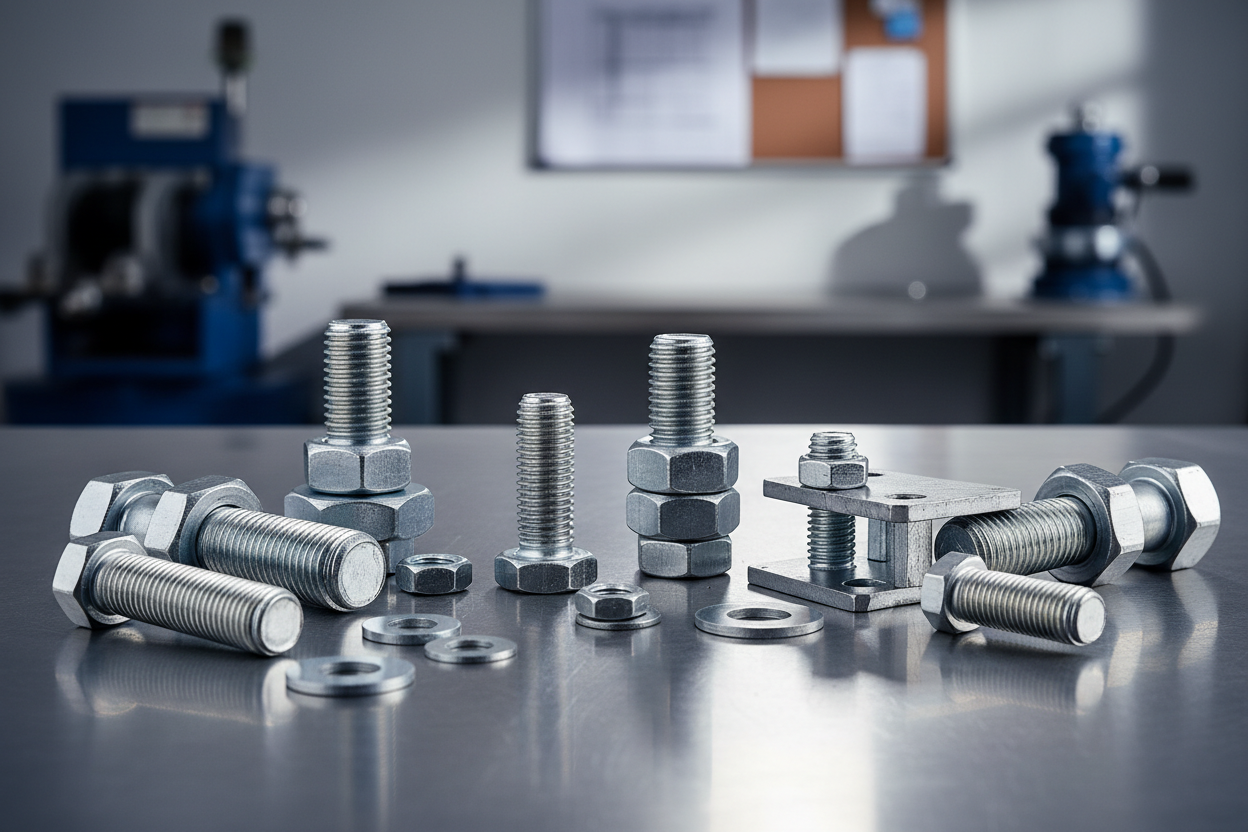
Working with metal demands precision in fastener selection. The right bolt ensures your assembly stays strong, secure, and built to last. Whether you're fabricating machinery, assembling metal structures, or tackling precision work, choosing the correct bolt makes all the difference between a job done right and one that fails under stress.
This guide walks you through bolt types, materials, thread specifications, and installation best practices—so you can confidently select fasteners that match your metal project's demands.
Understanding Bolt Types for Metal Work
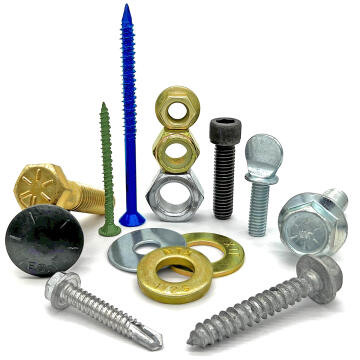
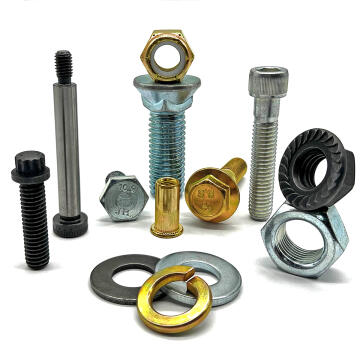
Hex bolts are the workhorse of metal fastening. Their six-sided head provides excellent grip and torque control, making them ideal for general-purpose metal assemblies where reliability matters.
Shoulder bolts excel in applications with moving parts or machinery. The unthreaded shoulder creates a precise pivot point, reducing wear and maintaining alignment in rotating assemblies.
Machine screws deliver the precision you need for tight tolerances and intricate metal work. They're perfect when accuracy and clean assembly are non-negotiable.
Material Selection: Matching Bolt to Environment
Stainless steel resists corrosion in both indoor and outdoor settings. It's your go-to for projects exposed to moisture, temperature swings, or chemical exposure without sacrificing strength.
Alloy steel delivers high tensile strength for heavy-duty mechanical assemblies. When your project demands maximum load capacity and durability, alloy steel performs where standard steel reaches its limits.
Brass and bronze offer non-magnetic properties and natural corrosion resistance. They're invaluable for precision machinery, electrical applications, and environments where magnetic interference must be eliminated.
Thread Specifications: Coarse vs. Fine
Coarse threads assemble faster and forgive minor misalignment. They work best with softer metals where thread stripping is a concern, and they're easier to hand-tighten without specialized tools.
Fine threads create higher clamping force and tighter tolerances. Choose fine threads for dense metals, precision assemblies, and applications where vibration resistance is critical.
Always verify whether your project calls for metric or SAE specifications—mixing standards leads to poor fit and potential failure.
Sizing Your Bolt Correctly
Bolt diameter and length aren't arbitrary choices. Your fastener must fully engage the receiving material's threads—typically a minimum of 1.5 times the bolt diameter. Undersizing compromises strength; oversizing creates unnecessary stress concentration in the metal.
Match diameter to your load requirements and torque specifications. A bolt that's too small will shear; one that's too large may crack the surrounding metal or create uneven pressure distribution.
Installation Techniques That Last
Start with washers under both the bolt head and nut. They distribute clamping force evenly across the metal surface, preventing dimpling and stress concentration that weakens your assembly.
Lock washers or thread-locking compounds prevent vibration-induced loosening—essential in machinery and assemblies subject to movement or shock loads.
Drill pilot holes before installing machine screws into metal. This reduces resistance, prevents thread stripping, and ensures the fastener seats properly without forcing.
Tighten methodically and stop before you feel significant resistance. Over-tightening strips threads and can crack the bolt itself, leaving you with a failed assembly and a fastener stuck in place.
Common Pitfalls to Avoid
Mismatched thread types cause poor engagement and assembly failure. Verify your bolt and receiving material use compatible thread standards before assembly.
Material incompatibility—like steel bolts in aluminum—creates galvanic corrosion that seizes fasteners and degrades both materials. Choose materials that work together chemically.
Neglecting protective coatings in moisture-prone environments invites rust and corrosion that compromise strength and makes future disassembly difficult or impossible.
Rushing the selection process leads to undersized fasteners, wrong materials, and assemblies that fail prematurely. Take time to match your bolt to the job.
Finding the Right Fastener for Your Project
Browse our inventory by bolt type, material grade, size, and thread specification. Whether you need stainless hex bolts for outdoor work, alloy shoulder bolts for machinery, or precision machine screws for intricate assemblies, we stock the fasteners that keep metal projects strong and reliable.
Build It Right
Metal projects succeed when fasteners are chosen with purpose. Consider your assembly's load, environment, and precision requirements. Follow proper installation techniques. Select materials that resist your project's specific challenges. The result is work that performs reliably and stands the test of time.