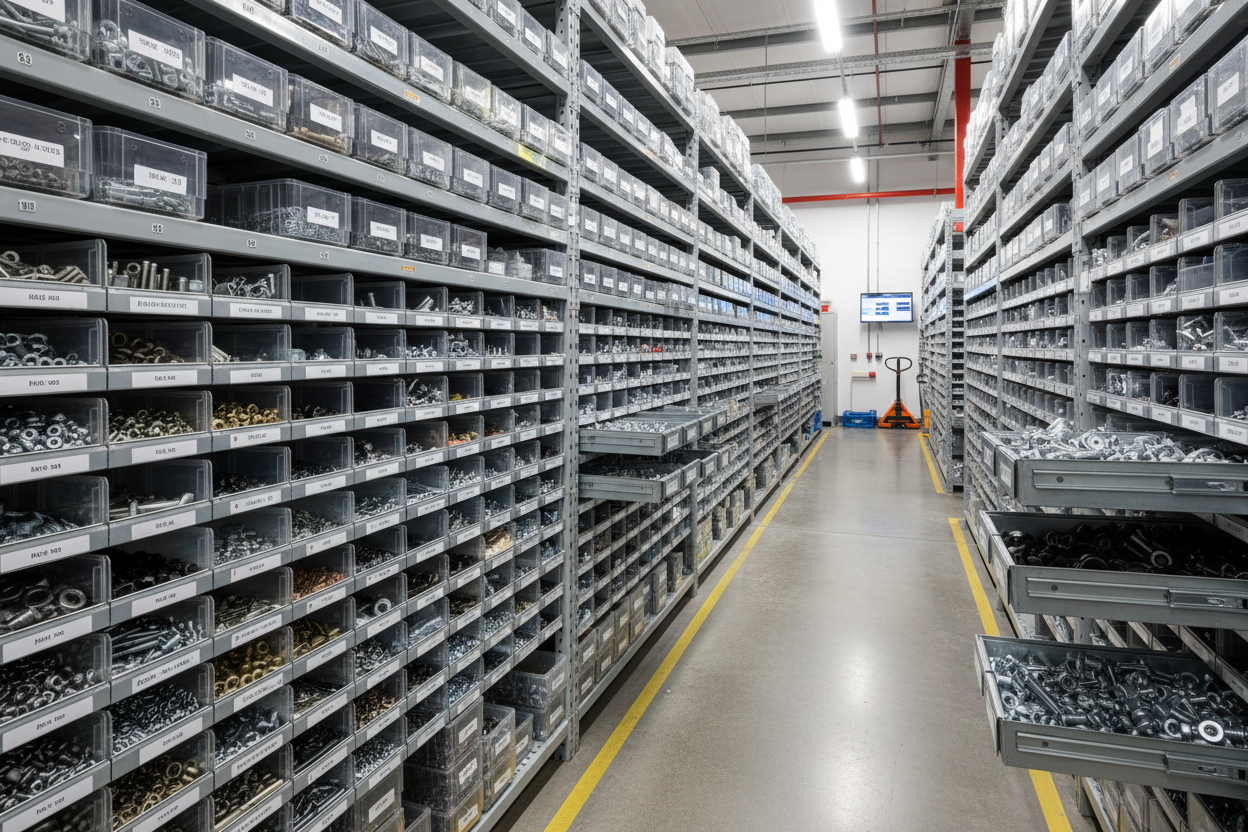
If you regularly work with bolts, nuts, and washers, having a well-organized fastener inventory can dramatically improve your workflow. Instead of repeatedly searching for parts or placing last-minute orders, a structured inventory helps you save time, reduce costs, and eliminate unnecessary frustration.
In this guide, we'll show you how to build a fastener inventory that actually works for you—not against you.
Why a Fastener Inventory Matters
Without a system in place, fasteners tend to become disorganized and mixed together, hard to locate quickly, frequently over-ordered or under-stocked, and a source of wasted time during every project. A proper inventory solves all of these problems.
Step 1: Identify Your Most-Used Fasteners
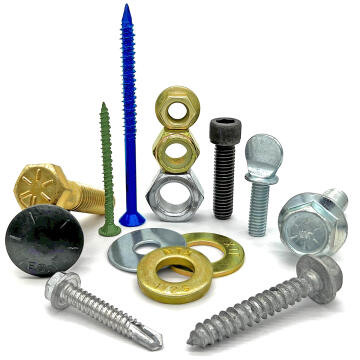
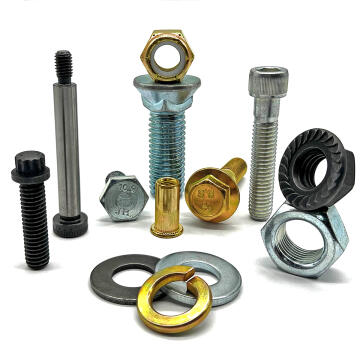
Start by tracking what you actually use most often. Focus on common bolt sizes, frequently used nuts and washers, and your preferred materials—whether stainless, carbon, or something else. The key is to prioritize what you use repeatedly, not what you might use someday.
Step 2: Standardize Your Sizes
One of the biggest efficiency gains comes from reducing variation. Stick to common bolt sizes when possible, standardize your thread types (coarse versus fine), and limit unnecessary duplicates. This makes inventory easier to manage and restock.
Step 3: Organize by Category and Size
A simple structure works best. Organize bolts by diameter and length, nuts by thread size, and washers by type and size. Clear separation prevents mixing and confusion.
Step 4: Use a Clear Storage System
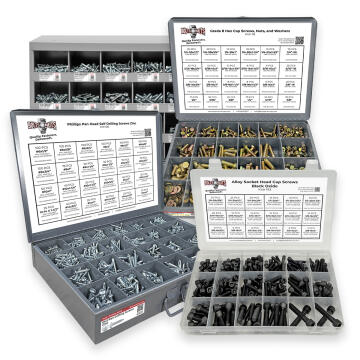
Good storage is key to maintaining your inventory. Invest in transparent bins or drawers with clearly labeled compartments and group similar items together. Visibility equals efficiency.
Step 5: Track What You Use
Even a simple tracking system helps. Note what gets used most often, identify low-stock items early, and avoid last-minute ordering. This prevents downtime during projects.
Step 6: Reorder Strategically
Instead of random purchases, buy in bulk, when possible, reorder standardized kits, and plan ahead for upcoming projects. This reduces cost and stress.
Streamline with B&N Pro
A subscription service like B&N Pro makes inventory management easier by offering discounts on most items, speeding up checkout and reordering, and reducing friction in repeat purchases. It helps turn your inventory into a predictable system instead of a reactive one.
Consider Custom Kitting for Maximum Efficiency
If you want to eliminate manual work entirely, custom packaging and kitting delivers pre-organized fastener sets tailored to your projects. No sorting required—just ready-to-use assortments that match your actual workflow.
Common Inventory Mistakes to Avoid
Watch out for overloading on rarely used fasteners, mixing sizes in one container, failing to label clearly, and buying without tracking usage. These mistakes quickly lead to clutter and wasted money.
Final Thoughts
A well-built fastener inventory isn't just about organization—it's about efficiency. By standardizing sizes, tracking usage, and leveraging systems like bulk buying, subscriptions, or custom kitting, you can save both time and money on every project.